


Why Your Vehicle’s Steering System Needs Regular Inspection
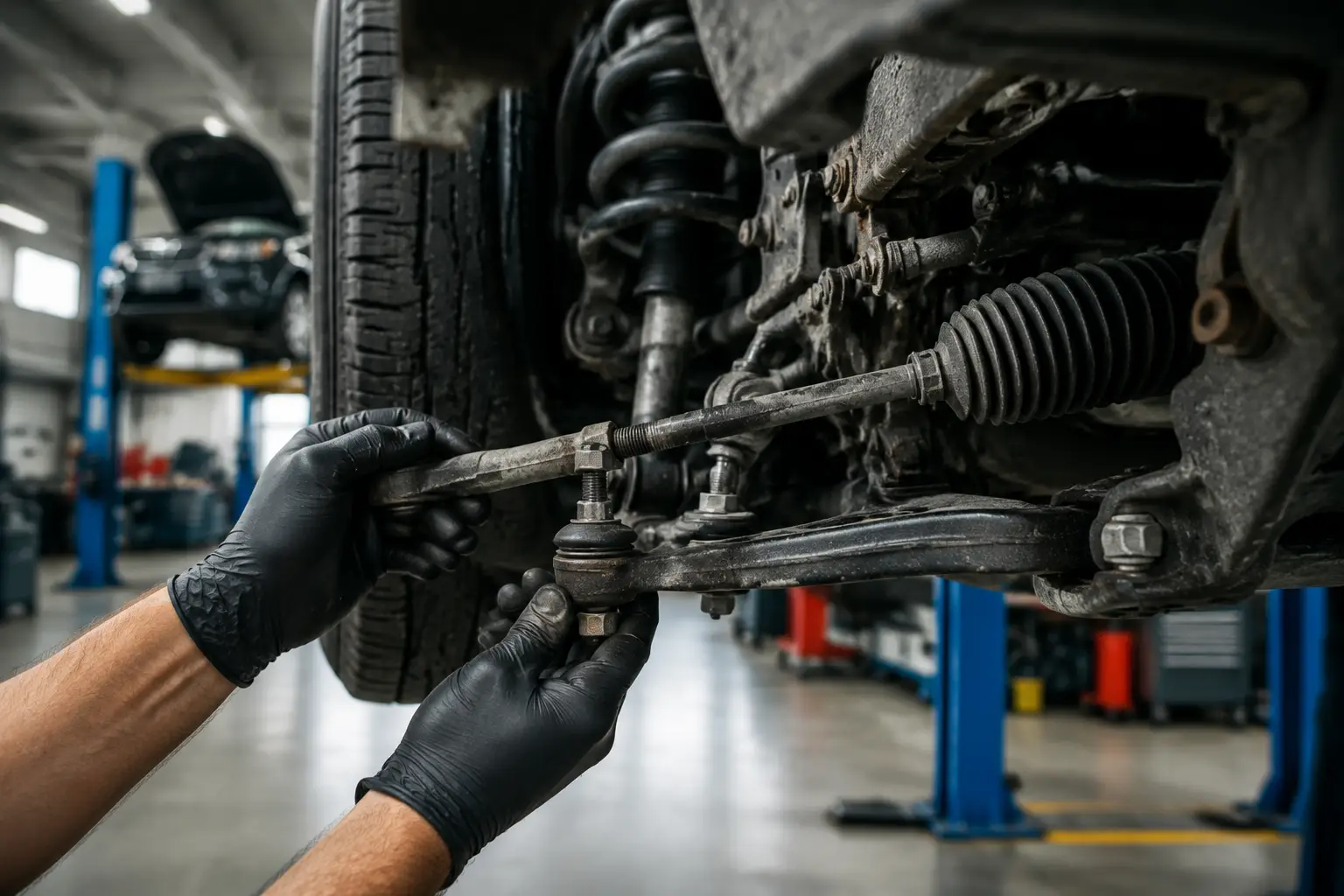
Your vehicle’s steering system plays a critical role in your safety every time you drive. It allows you to control direction, maintain stability, and respond quickly to changing road conditions.
Many drivers only think about steering problems when they notice obvious symptoms like difficulty turning the wheel or unusual noises. However, steering components can wear gradually over time without obvious warning signs.
Regular steering inspections help identify worn or damaged parts before they affect vehicle control or lead to more expensive repairs.
For Calgary drivers, regular steering maintenance is especially important due to harsh winters, road conditions, potholes, and seasonal temperature changes that can put additional stress on steering components.
How Your Vehicle’s Steering System Works
Your steering system is made up of multiple components that work together to transfer your movement of the steering wheel into the movement of your tires.
Key steering components include:
- Steering wheel and column
- Steering rack or steering gearbox
- Tie rods
- Ball joints
- Power steering system
- Electric power steering components
- Steering fluid (on hydraulic systems)
Each component has an important role in keeping your vehicle responsive and stable.
When one part becomes worn or damaged, it can affect steering performance and overall driving safety.
Why Steering Inspections Are Important
Steering components experience constant movement and stress every time you drive.
Over time, normal wear can cause:
- Loose steering response
- Reduced handling control
- Uneven tire wear
- Steering vibrations
- Difficulty maintaining a straight line
A steering inspection allows technicians to check for signs of wear, damage, or problems that may not be noticeable during normal driving.
Common Signs Your Steering System Needs Attention
Recognizing steering problems early can help prevent safety concerns and costly repairs.
1. Vehicle Pulling to One Side
If your vehicle constantly pulls left or right while driving, it may indicate a steering or suspension issue.
Possible causes include:
- Misalignment
- Uneven tire pressure
- Worn steering components
- Suspension problems
A vehicle that does not track straight can affect handling and tire life.
2. Difficulty Turning the Steering Wheel
Your steering wheel should move smoothly and easily.
If turning becomes harder than usual, possible causes may include:
- Low power steering fluid
- Failing power steering pump
- Steering rack problems
- Damaged steering components
Difficulty steering should not be ignored, especially if it happens suddenly.
3. Loose or Unresponsive Steering
A properly functioning steering system should feel precise and controlled.
If you notice excessive movement before the vehicle responds, you may have:
- Worn tie rods
- Loose steering components
- Steering rack issues
- Suspension wear
Loose steering can reduce your ability to control the vehicle, especially at higher speeds.
4. Steering Wheel Vibrations
A vibrating steering wheel may indicate a problem with several vehicle systems.
Possible causes include:
- Wheel imbalance
- Tire issues
- Alignment problems
- Worn suspension or steering components
If vibrations occur while turning or driving at certain speeds, an inspection can help identify the source.
5. Unusual Steering Noises
Strange sounds while turning can be an early warning sign.
Common noises include:
- Clicking
- Clunking
- Grinding
- Squeaking
- Whining
These sounds may indicate worn components, low fluid levels, or mechanical issues.
How Calgary Roads Affect Steering Components
Calgary drivers experience conditions that can accelerate steering and suspension wear.
Common challenges include:
- Potholes
- Uneven road surfaces
- Winter ice buildup
- Snow-covered roads
- Road salt exposure
- Temperature changes
Hitting potholes or rough roads repeatedly can place additional stress on steering components.
Over time, this can lead to looseness, misalignment, and premature wear.
Steering Components That Require Regular Checks
Tie Rods
Tie rods connect the steering rack to the wheels and help control tire movement.
Worn tie rods can cause:
- Loose steering
- Poor alignment
- Uneven tire wear
- Reduced control
Ball Joints
Ball joints allow suspension and steering components to move together.
When worn, they may cause:
- Clunking noises
- Steering instability
- Uneven tire wear
Power Steering System
Traditional hydraulic power steering systems rely on fluid pressure to make steering easier.
Problems can occur due to:
- Low fluid levels
- Fluid leaks
- Pump failure
- Damaged hoses
Electric power steering systems can also experience electronic or mechanical issues that require diagnosis.
Steering Rack
The steering rack converts steering wheel movement into tire movement.
A failing steering rack may cause:
- Steering looseness
- Fluid leaks
- Difficulty steering
- Uneven response
Because the steering rack is a major component, early diagnosis can help prevent larger repair costs.
Why Steering Problems Should Not Be Ignored
Small steering issues can become bigger problems over time.
Ignoring steering concerns may lead to:
- Reduced vehicle control
- Increased tire wear
- Additional suspension damage
- Higher repair costs
- Safety risks
A vehicle that feels slightly different while driving may be showing an early warning sign.
Benefits of Regular Steering Inspections
Routine steering inspections can help:
Improve Driving Safety
A properly maintained steering system helps ensure better vehicle control.
Prevent Expensive Repairs
Finding worn components early can prevent additional damage.
Extend Tire Life
Steering and alignment issues can cause uneven tire wear.
Improve Driving Comfort
A healthy steering system provides smoother handling and a more comfortable driving experience.
When Should You Have Your Steering System Inspected?
A steering inspection is recommended if you notice:
- Vehicle pulling to one side
- Steering wheel vibration
- Difficulty turning
- Unusual noises
- Loose steering feel
- Uneven tire wear
- Recent pothole impact
- Suspension repairs
It is also a good idea to have your steering checked during routine maintenance, especially if you frequently drive on rough roads.Keep Your Vehicle Safe on Calgary Roads
Your steering system is one of the most important safety systems in your vehicle. Regular inspections help ensure that steering components remain in good condition and your vehicle continues responding properly when you need it most.
Calgary’s changing weather, winter conditions, and road surfaces can put extra stress on steering and suspension components, making preventative maintenance even more valuable.
At Heritage Auto Pro, we help Calgary drivers maintain reliable and safe vehicles through professional inspections, steering repairs, suspension services, and general maintenance.
Whether your vehicle feels different while driving or you simply want peace of mind, a steering inspection can help identify potential issues before they become major problems.
Schedule your vehicle inspection with Heritage Auto Pro and keep your vehicle handling safely on Calgary roads.