
×
Home » Car Maintenance Services» Timing & Auto Belt
Critical Belt Inspections and Replacement Services for Engine Reliability

Essential Timing Belt & Drive Belt Services in Calgary, AB

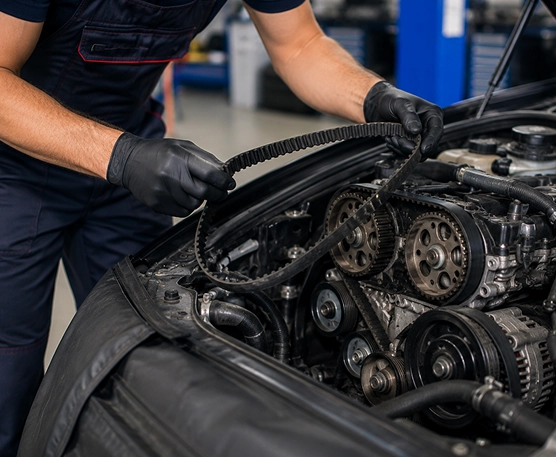
Your vehicle's timing belt and drive belts play a vital role in keeping the engine and key systems operating properly. Over time, belts can crack, stretch, wear out, or become damaged, increasing the risk of unexpected breakdowns and costly repairs. At Heritage Auto Pro & Tire in Calgary, we inspect timing belts, serpentine belts, and related components for signs of wear and recommend replacement when needed. Routine belt maintenance helps protect engine performance, prevent component failure, and keep your vehicle running dependably.

Why Timing Belt and Drive Belt Replacement Is Important

Belts are among the hardest-working components in your vehicle's engine system. The timing belt helps synchronize critical engine components, while the serpentine or drive belt powers systems such as the alternator, power steering pump, air conditioning compressor, and cooling components. Because belts naturally wear over time, regular inspections and timely replacement are essential to help prevent breakdowns and expensive repairs.

  • Protect Critical Engine Components

    The timing belt helps coordinate engine operation. A worn or damaged timing belt can lead to serious engine problems if it fails unexpectedly.
  • Prevent Unexpected Breakdowns

    Replacing aging belts before failure occurs helps reduce the risk of being stranded due to a broken timing or drive belt.
  • Maintain Accessory System Performance

    Drive belts help power important vehicle systems that contribute to comfort, cooling, charging, and steering performance.
  • Reduce the Risk of Costly Repairs

    A failing belt can damage other components or lead to more extensive repairs that could have been avoided through preventative maintenance.
  • Identify Wear Before Failure Occurs

    Routine inspections help detect cracking, fraying, stretching, glazing, and other signs of belt deterioration.
  • Support Long-Term Vehicle Reliability

    Following manufacturer-recommended replacement intervals helps keep your engine and accessory systems operating as intended.

At Heritage Auto Pro & Tire, we inspect timing belts and drive belts for signs of wear and help Calgary drivers stay ahead of costly belt-related failures through preventative maintenance and replacement services.

Timing Belt vs. Serpentine Belt: Understanding the Difference

Many drivers hear the terms timing belt and serpentine belt used interchangeably, but these components serve very different functions. Both are essential to vehicle operation, yet they affect different systems and have different maintenance requirements. Understanding their roles can help vehicle owners recognize the importance of routine inspections and replacement intervals.

  • What Does a Timing Belt Do?

    The timing belt connects the crankshaft and camshaft, helping keep engine valves and pistons moving in proper synchronization. If the timing belt fails, serious engine damage may occur in many vehicles.
  • What Does a Serpentine Belt Do?

    The serpentine belt, also known as a drive belt, powers multiple vehicle accessories such as the alternator, power steering pump, air conditioning compressor, and cooling system components.
  • Different Replacement Intervals

    Timing belts are typically replaced according to manufacturer-recommended mileage intervals, while serpentine belts are replaced based on wear, condition, and inspection findings.
  • Signs of Timing Belt Wear

    Cracking, age-related deterioration, unusual engine operation, or reaching the recommended replacement interval may indicate that timing belt service is needed.
  • Signs of Serpentine Belt Wear

    Squealing noises, visible cracks, fraying, glazing, or accessory system performance issues can signal a worn drive belt.
  • Why Regular Belt Inspections Matter

    Routine inspections help identify belt wear before failure occurs, reducing the risk of breakdowns and helping maintain reliable vehicle operation.

At Heritage Auto Pro & Tire, we inspect both timing belts and serpentine belts to help Calgary drivers understand their condition and determine when replacement may be necessary.

Common Signs You May Need Timing Belt or Drive Belt Replacement in Calgary

Belts often show warning signs before they fail completely. Paying attention to unusual noises, performance issues, and visible wear can help prevent unexpected breakdowns and costly repairs. If you notice any of the following symptoms, it's a good idea to have your vehicle inspected by a qualified technician.

Warning Sign Possible Cause
Squealing or chirping noises from the engineWorn, loose, or damaged drive belt
Visible cracks in the beltAge-related belt deterioration
Frayed belt edgesExcessive wear or belt misalignment
Power steering becomes difficultFailing serpentine belt affecting power steering operation
Air conditioning stops working properlyDrive belt no longer operating the A/C compressor effectively
Engine overheatingBelt-related cooling system component issues
Battery warning light appearsSerpentine belt affecting alternator operation
Vehicle has reached recommended belt service intervalTiming belt replacement may be due
Unusual engine performance concernsTiming belt wear affecting engine timing
Visible glazing or belt damageBelt approaching the end of its service life

Routine inspections can help identify these issues before they lead to belt failure. At Heritage Auto Pro & Tire, we help Calgary drivers monitor belt condition and replace worn timing belts and drive belts before they create larger mechanical problems.

Schedule Timing Belt and Drive Belt Service in Calgary

Worn or aging belts can affect engine performance and increase the risk of unexpected breakdowns. At Heritage Auto Pro & Tire, we provide timing belt and drive belt inspections, maintenance, and replacement services to help keep your vehicle operating reliably. Schedule your belt inspection today and help prevent costly repairs down the road.

Benefits of Replacing Worn Timing Belts and Drive Belts

Replacing worn belts before they fail can help protect your engine, reduce the risk of roadside breakdowns, and maintain the performance of important vehicle systems. Since timing belts and drive belts perform different functions, keeping both in good condition is an important part of preventative vehicle maintenance.

  • Helps Prevent Major Engine Damage

    Replacing a timing belt at the recommended interval can help avoid serious engine problems that may occur if the belt fails unexpectedly.
  • Improves Vehicle Reliability

    New belts help ensure critical engine and accessory systems continue operating as intended.
  • Reduces the Risk of Unexpected Breakdowns

    Preventative belt replacement can help drivers avoid being stranded due to a sudden belt failure.
  • Maintains Accessory System Operation

    A properly functioning serpentine belt helps power systems such as the alternator, power steering, and air conditioning.
  • Supports Consistent Engine Performance

    Belts in good condition help engine components and accessory systems operate efficiently and reliably.
  • Helps Avoid More Expensive Repairs

    Addressing belt wear early is often far less costly than repairing damage caused by a failed timing belt or drive belt.

At Heritage Auto Pro & Tire, we help Calgary drivers stay ahead of belt-related issues with inspections and replacement services designed to support long-term vehicle reliability and performance.

Frequently Asked Questions About Timing Belt and Drive Belt Services in Calgary

What is the difference between a timing belt and a serpentine belt?

A timing belt synchronizes the movement of internal engine components, while a serpentine belt powers accessories such as the alternator, power steering pump, and air conditioning compressor. Both are important, but they perform different functions.

How often should a timing belt be replaced?

Timing belt replacement intervals vary by vehicle manufacturer. Many vehicles require replacement between 90,000 and 160,000 kilometres, but it's important to follow the maintenance schedule outlined in your owner's manual.

What happens if a timing belt breaks?

In many vehicles, a broken timing belt can cause significant engine damage because the engine's internal components may lose synchronization. This is why preventative replacement is so important.

What are the signs of a worn serpentine belt?

Common signs include squealing noises, visible cracks, fraying, glazing, power steering issues, battery warning lights, or problems with the air conditioning system.

Can I drive with a damaged drive belt?

A damaged serpentine belt can fail unexpectedly, affecting systems such as the alternator, power steering, and cooling components. It is best to have the belt inspected as soon as signs of wear appear.

How do I know if my timing belt needs replacement?

The most reliable indicator is your vehicle's manufacturer-recommended service interval. However, age, mileage, and inspection findings may also indicate that replacement is needed.

Do timing belts and serpentine belts wear out naturally?

Yes. Heat, friction, age, and normal vehicle operation cause belts to wear over time, making periodic inspection and replacement necessary.

What is included in a timing belt inspection?

A timing belt inspection may include checking for signs of wear, cracking, contamination, age-related deterioration, and verifying whether the belt is approaching its recommended replacement interval.

Can a worn belt cause engine performance problems?

Yes. Depending on the belt involved, wear can affect engine timing, charging system performance, power steering operation, cooling system performance, and other vehicle functions.

Why is preventative belt replacement recommended?

Replacing belts before they fail helps reduce the risk of breakdowns, protects critical vehicle systems, and can help avoid more expensive repairs caused by belt-related failures.