



Why Is My Engine Overheating? Common Causes and What to Do
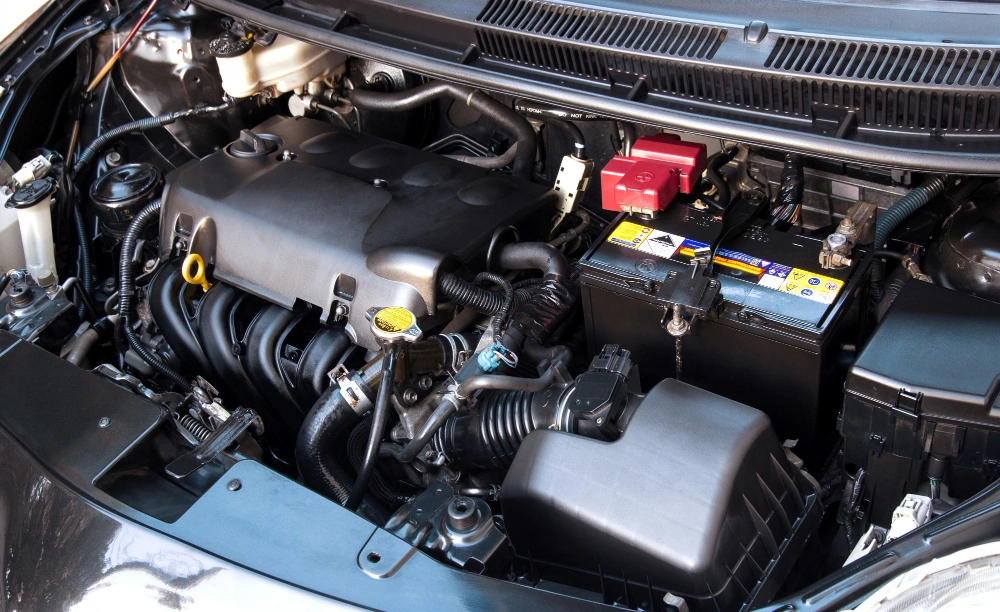
An overheating engine is a warning that your vehicle’s cooling system is no longer controlling engine temperature properly. The problem may be caused by low coolant, a leak, a faulty thermostat, a damaged radiator or a failing water pump.
Ignoring overheating can lead to a blown head gasket, warped engine components or complete engine failure.
Quick Answer
If your engine is overheating:
- Turn off the air conditioning.
- Pull over safely.
- Shut off the engine.
- Wait for the engine to cool.
- Do not open the radiator cap while it is hot.
- Arrange an inspection or tow if the temperature rises again.
Continuing to drive an overheating vehicle can cause severe engine damage.
Common Signs of an Overheating Engine
You may notice:
- The temperature gauge moving into the red zone
- An engine temperature warning light
- Steam coming from under the hood
- A sweet coolant smell
- Reduced engine performance
- Coolant leaking under the vehicle
- The heater blowing cold air unexpectedly
Stop driving if the temperature continues rising or steam appears.
1. Low Coolant Level
Coolant absorbs heat from the engine and transfers it to the radiator. When the level is too low, the system cannot regulate temperature properly.
Low coolant may be caused by:
- A leaking hose
- A damaged radiator
- A worn gasket or seal
- A leaking water pump
- An internal engine leak
Coolant should not regularly disappear. Repeatedly topping it up without repairing the leak only provides a temporary solution.
2. Coolant Leak
A cooling-system leak can develop in the radiator, hoses, reservoir, water pump or engine.
Common warning signs include:
- Coloured liquid under the vehicle
- A sweet smell near the engine
- Low coolant readings
- White residue around hoses or connections
- Frequent overheating
Some leaks only appear when the cooling system becomes hot and pressurized, so they may not be visible when the engine is cold.
3. Faulty Thermostat
The thermostat controls when coolant flows between the engine and radiator.
If it becomes stuck closed, coolant cannot circulate properly and the engine may overheat quickly. A thermostat stuck open usually causes the engine to run too cool, but it can also affect heating performance and efficiency.
Thermostat failure may cause:
- Rapid temperature increases
- Unstable temperature readings
- Overheating shortly after startup
- Poor cabin heating
4. Damaged Radiator
The radiator releases heat from the coolant before it returns to the engine.
A radiator may become blocked, corroded, damaged or restricted by debris. Internal buildup can also reduce coolant flow.
Possible signs include:
- Coolant leaking near the front of the vehicle
- Overheating during longer drives
- Visible radiator damage
- Discoloured or contaminated coolant
- Temperature rising in traffic
5. Faulty Radiator Fan
The radiator fan helps move air through the radiator when the vehicle is stopped or travelling slowly.
When the fan motor, relay, fuse or temperature sensor fails, the engine may overheat while idling but run cooler at highway speeds.
A faulty cooling fan can also affect car AC performance because the condenser depends on airflow.
6. Failing Water Pump
The water pump circulates coolant throughout the engine and radiator.
When it starts failing, coolant flow may become weak or stop completely. Some water pumps also leak from a seal or make grinding noises when the bearing wears out.
Warning signs may include:
- Coolant leaking near the front of the engine
- Grinding or whining noises
- Rapid overheating
- Steam from the engine compartment
- Unstable temperature readings
A failed water pump requires prompt repair.
7. Blocked or Collapsed Coolant Hose
Coolant hoses carry fluid between the engine, radiator and heater core.
A damaged hose may leak, collapse internally or become blocked. This limits coolant circulation and can cause overheating.
Hoses should be inspected for:
- Cracks
- Soft areas
- Swelling
- Leaks
- Loose clamps
- Visible collapse
8. Low Engine Oil
Engine oil reduces friction and helps control heat inside the engine.
When the oil level becomes too low, internal friction increases and the engine may run hotter than normal. Low oil can also cause ticking, knocking or an oil-pressure warning light.
An oil leak or excessive oil consumption should be repaired before it causes internal engine damage.
9. Blown Head Gasket
A blown head gasket can allow coolant to enter the engine cylinders or mix with the engine oil.
Possible signs include:
- Persistent overheating
- White exhaust smoke
- Coolant loss with no visible leak
- Milky oil
- Bubbles in the coolant reservoir
- Rough engine performance
Head-gasket problems can become expensive, so early diagnosis is important.
Why Does My Engine Overheat While Idling?
Overheating in traffic or while idling commonly points to:
- A faulty radiator fan
- Restricted radiator airflow
- Low coolant
- A weak water pump
- A blocked radiator
At highway speed, natural airflow may temporarily keep the engine cooler. When the vehicle stops, the fan must provide that airflow.
Why Does My Engine Overheat but the Heater Blows Cold Air?
Cold air from the heater during an overheating event may indicate low coolant or poor coolant circulation.
The heater needs hot coolant flowing through the heater core. If the system is low or contains trapped air, the heater may stop producing warm air even while the engine temperature rises.
What Should You Do When Your Engine Overheats?
Pull Over Safely
Move away from traffic as soon as possible and switch off the engine.
Let the Engine Cool
Wait at least 20 to 30 minutes before inspecting anything under the hood. Cooling time may be longer after severe overheating.
Do Not Open the Radiator Cap
A hot cooling system is pressurized. Opening the cap can release boiling coolant and cause serious burns.
Check the Coolant Reservoir
Only check the reservoir after the engine has cooled. If it is empty, the system may have a significant leak.
Avoid Continuing the Journey
Driving again without identifying the cause may result in major engine damage. Arrange towing if the vehicle overheats repeatedly or loses coolant rapidly.
Can You Drive With an Overheating Engine?
You should not continue driving when the temperature gauge is in the red zone, steam is visible or the warning light remains on.
Even a short period of severe overheating can damage:
- Cylinder heads
- Head gaskets
- Pistons
- Bearings
- Engine seals
- Catalytic converters
Stopping early is usually much less expensive than repairing a damaged engine.
Engine Overheating Repair in Calgary
Heritage Auto Pro provides professional engine overheating diagnosis and repair in Calgary near Chinook Mall.
Our technicians can inspect the coolant level, radiator, thermostat, water pump, cooling fan, hoses and engine for leaks or internal damage.
Schedule an inspection if your temperature gauge rises, coolant keeps disappearing or the vehicle overheats in traffic.
Frequently Asked Questions
Can low coolant cause an engine to overheat?
Yes. Without enough coolant, the system cannot absorb and release engine heat effectively.
Why does my car overheat only in traffic?
A faulty radiator fan or restricted radiator airflow is a common cause when overheating happens mainly at low speeds.
Can an oil leak cause overheating?
Yes. Low engine oil increases friction and heat, which can contribute to overheating and internal engine damage.
Should I add water to an overheating engine?
Water may be used only in an emergency after the engine has fully cooled. The correct coolant mixture should be restored as soon as possible.
How much does overheating repair cost?
The cost depends on the cause. A hose or thermostat may be relatively affordable, while radiator, water-pump or head-gasket repairs can cost significantly more.