



Why Is My Car Losing Power When Accelerating?
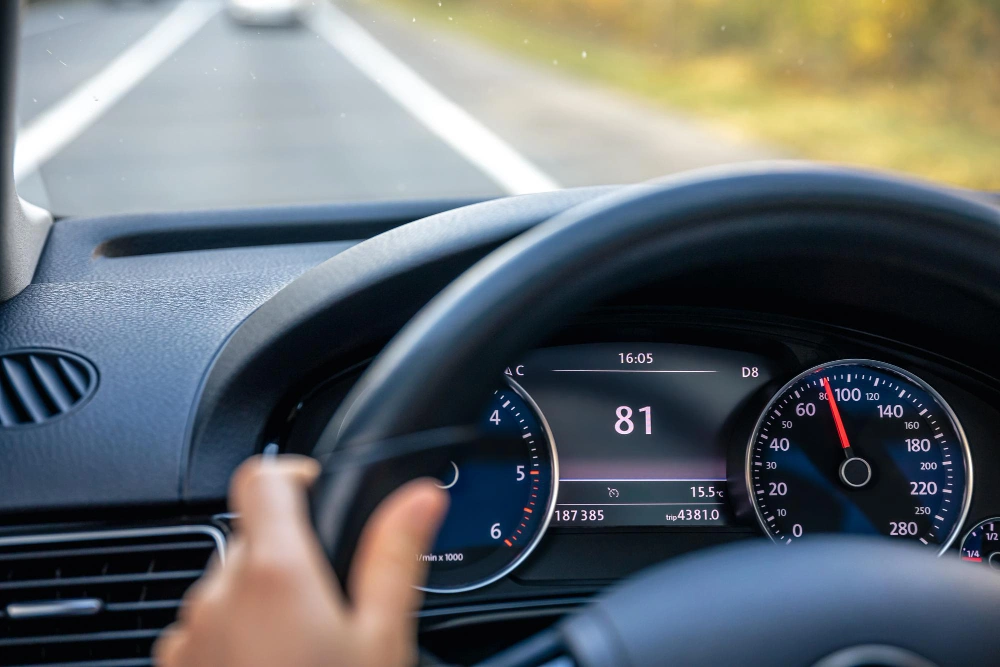
A car that loses power when accelerating may have a problem with its fuel supply, airflow, ignition system, exhaust or transmission. You may notice delayed acceleration, hesitation, jerking or difficulty maintaining speed on hills.
Some causes are relatively simple, such as a clogged air filter. Others, including fuel-pump failure or catalytic-converter blockage, require prompt diagnosis.
Quick Answer
Common reasons a car loses power during acceleration include:
- A clogged engine air filter
- Dirty or faulty airflow sensors
- Worn spark plugs or ignition coils
- A weak fuel pump
- Clogged fuel injectors
- A blocked catalytic converter
- Turbocharger problems
- Transmission issues
If the check-engine light flashes, the vehicle jerks severely or the engine makes unusual noises, reduce speed and arrange an inspection.
1. Clogged Engine Air Filter
The engine needs a steady supply of clean air to burn fuel properly. A heavily clogged air filter restricts airflow and can make the vehicle feel slow during acceleration.
Other symptoms may include:
- Reduced fuel economy
- Sluggish throttle response
- Dark exhaust smoke
- Rough engine operation
Replacing a dirty air filter may restore performance when airflow restriction is the main problem.
2. Faulty Mass Airflow Sensor
The mass airflow sensor measures how much air enters the engine. The engine computer uses this information to deliver the correct amount of fuel.
When the sensor becomes dirty or fails, the engine may receive an incorrect fuel mixture.
Possible warning signs include:
- Hesitation during acceleration
- Rough idling
- Engine stalling
- Poor fuel economy
- Check-engine light
The sensor should be tested before replacement because vacuum leaks and wiring faults can cause similar symptoms.
3. Worn Spark Plugs or Ignition Coils
Spark plugs ignite the air-and-fuel mixture inside the engine. Ignition coils supply the electrical power needed to create that spark.
When either component fails, one or more cylinders may misfire, particularly when the engine is under load.
You may notice:
- Jerking during acceleration
- Rough engine operation
- Difficulty starting
- Reduced fuel economy
- A flashing check-engine light
A flashing check-engine light can indicate a severe misfire that may damage the catalytic converter.
4. Weak Fuel Pump
The fuel pump sends fuel from the tank to the engine. A weak pump may provide enough fuel for idling but fail to maintain pressure when you accelerate.
Common signs include:
- Power loss at higher speeds
- Hesitation when climbing hills
- Long engine cranking
- Engine stalling
- Whining noise near the fuel tank
Fuel-pressure testing can determine whether the pump is supplying the correct pressure.
5. Clogged Fuel Injectors
Fuel injectors spray a controlled amount of fuel into the engine. Deposits or contamination can restrict the spray pattern and reduce engine performance.
Clogged injectors may cause:
- Uneven acceleration
- Engine misfires
- Rough idling
- Increased fuel consumption
- Difficult starting
Professional testing can identify whether the injectors require cleaning, repair or replacement.
6. Blocked Catalytic Converter
The catalytic converter processes harmful exhaust gases before they leave the tailpipe. Internal damage or excessive buildup can restrict exhaust flow.
When exhaust cannot leave the engine efficiently, the vehicle may struggle to accelerate.
Possible signs include:
- Severe power loss
- Poor performance at higher RPM
- Excessive heat under the vehicle
- A sulphur-like smell
- Check-engine light
- Reduced fuel economy
A blocked catalytic converter may be the result of another engine problem, such as persistent misfires or excessive oil consumption. The original cause should also be corrected.
7. Turbocharger Problems
Turbocharged engines use exhaust energy to push additional air into the engine. A boost leak, damaged turbocharger or faulty control valve can significantly reduce acceleration.
Symptoms may include:
- Sudden loss of power
- Whistling or hissing noises
- Excessive exhaust smoke
- Reduced boost pressure
- Check-engine light
Split intake hoses and loose connections can sometimes create the same symptoms as a failed turbocharger.
8. Transmission Problems
The engine may be producing power correctly while the transmission fails to transfer it effectively to the wheels.
Signs of a transmission-related problem include:
- Engine RPM rising without matching acceleration
- Delayed gear engagement
- Harsh or slipping shifts
- Burning smell
- Transmission warning light
Low or deteriorated transmission fluid may contribute to these symptoms, but internal transmission wear is also possible.
Why Does My Car Lose Power Going Uphill?
Driving uphill places additional load on the engine. A weak fuel pump, worn spark plugs, restricted airflow or blocked exhaust may become more noticeable under these conditions.
Power loss on hills can also result from:
- Low transmission fluid
- A slipping transmission
- Turbo boost leaks
- Excessive vehicle load
- Engine overheating
A diagnostic road test can help reproduce the problem and identify when it occurs.
Why Does My Car Hesitate and Then Accelerate?
Delayed acceleration may be caused by inconsistent fuel pressure, dirty injectors, a faulty throttle sensor or incorrect airflow readings.
The delay may also come from the transmission if it hesitates before selecting the correct gear.
Because several systems can create similar symptoms, checking diagnostic codes is usually the best place to begin.
Is It Safe to Drive a Car That Is Losing Power?
Minor hesitation may allow you to drive carefully to a repair shop, but sudden or severe power loss can be dangerous when merging, crossing an intersection or travelling on a highway.
Stop driving and arrange assistance if:
- The check-engine light is flashing
- The engine is shaking severely
- The vehicle cannot maintain a safe speed
- You hear knocking or grinding
- Smoke appears
- The engine overheats
- The vehicle repeatedly stalls
Continuing to drive with a serious misfire can damage the catalytic converter or engine.
How Is Power Loss Diagnosed?
A technician may:
- Scan the vehicle for diagnostic trouble codes.
- Check the engine air filter and intake system.
- Test spark plugs and ignition coils.
- Measure fuel pressure.
- Inspect fuel injectors.
- Check exhaust restriction.
- Test sensors and electrical connections.
- Inspect the transmission when engine operation appears normal.
Diagnostic testing helps avoid replacing parts based only on symptoms.
Engine Diagnostics in Calgary
Heritage Auto Pro provides professional engine diagnostics and repair in Calgary near Chinook Mall.
Our technicians can inspect the ignition, fuel, airflow, exhaust and transmission systems to determine why your vehicle is losing power.
Schedule an inspection if your car hesitates, jerks, struggles uphill or no longer accelerates normally.
Frequently Asked Questions
Can bad spark plugs cause slow acceleration?
Yes. Worn or fouled spark plugs can cause misfires, hesitation and reduced engine power, especially during acceleration.
Can a dirty air filter make a car lose power?
Yes. A severely restricted air filter can reduce the amount of air reaching the engine and affect acceleration.
Why does my car lose power when the AC is on?
The AC compressor adds load to the engine. A small change can be normal, but significant power loss may indicate an engine-performance or AC-compressor problem.
Can low engine oil cause a loss of power?
Very low oil can increase friction, affect engine timing systems and cause serious internal damage. Stop driving if the oil-pressure warning light appears.
Why is the check-engine light flashing during acceleration?
A flashing light commonly indicates an active engine misfire. Reduce speed and have the vehicle inspected promptly to prevent catalytic-converter damage.