



Why Is My Car AC Blowing Warm Air? 7 Common Causes
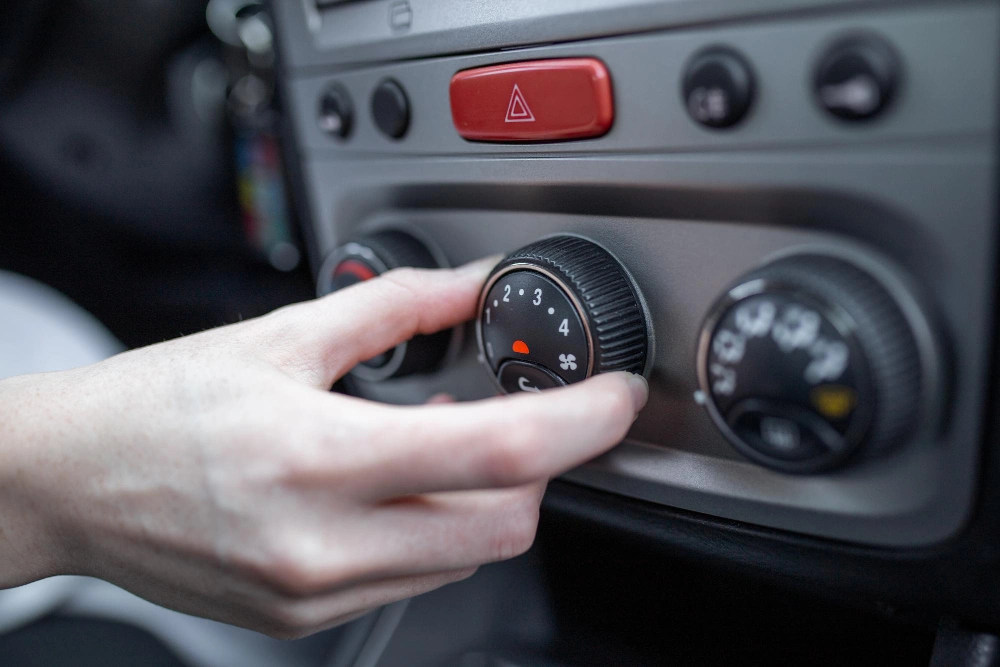
A car air conditioner should produce cool, consistent airflow within a few minutes of being turned on. When your car AC starts blowing warm air instead, the problem may involve low refrigerant, a damaged compressor, an electrical fault or restricted airflow.
Some AC problems are relatively simple to fix, while others can become more expensive if ignored. Understanding the most common causes can help you decide when to schedule professional car AC repair in Calgary.
Quick Answer: Why Is My Car AC Blowing Warm Air?
Your car AC may be blowing warm air because the refrigerant level is low, the AC compressor is not working, the condenser is blocked or damaged, or an electrical component has failed. A clogged cabin air filter, faulty cooling fan or malfunctioning blend door can also prevent cold air from reaching the cabin.
A technician can identify the exact cause by checking system pressure, refrigerant leaks, compressor operation and electrical components.
1. Low AC Refrigerant
Low refrigerant is one of the most common reasons a vehicle’s AC stops cooling properly.
Refrigerant circulates through the air-conditioning system and absorbs heat from inside the cabin. When the refrigerant level drops, the system may struggle to produce cold air.
Common signs of low refrigerant include:
- AC air that feels cool but not cold
- Cooling that becomes weaker over time
- The AC compressor frequently turning on and off
- Oily residue around AC hoses or connections
- A hissing sound from the AC system
Refrigerant does not normally disappear without a reason. If the system is low, there may be a leak that should be found and repaired before the system is recharged.
2. Refrigerant Leak
A refrigerant leak can develop in an AC hose, seal, condenser, evaporator or connection point.
Small leaks may cause the AC to lose cooling performance gradually. Larger leaks can result in the system suddenly blowing warm air.
Because automotive refrigerant can escape as a gas, the leak may not always be visible. Technicians may use pressure testing, electronic leak detection or UV dye to locate the source.
Simply adding more refrigerant may only provide temporary cooling if the leak is not repaired.
3. Faulty AC Compressor
The compressor is responsible for circulating refrigerant through the air-conditioning system. If the compressor does not engage or cannot build pressure, the AC may blow warm air even when the fan is working normally.
A compressor problem may be caused by:
- Internal compressor damage
- A worn compressor clutch
- Low refrigerant pressure
- A damaged drive belt
- Electrical wiring problems
- A faulty pressure switch
You may also hear clicking, grinding or rattling noises when the AC is switched on.
Compressor problems should be diagnosed promptly because damaged internal components can contaminate other parts of the AC system.
4. Blocked or Damaged AC Condenser
The condenser is usually located near the front of the vehicle, close to the radiator. Its job is to release heat from the refrigerant before it returns to the cabin.
Dirt, leaves, road debris or insect buildup can restrict airflow through the condenser. Stones and road debris can also damage the condenser and create refrigerant leaks.
A condenser problem may be more noticeable when the vehicle is:
- Idling in traffic
- Driving at low speeds
- Operating during very hot weather
- Running the AC for an extended period
If the AC gets colder while driving but becomes warm when the car stops, the condenser or cooling fan may need inspection.
5. Faulty Cooling Fan
The cooling fan helps move air across the condenser when the vehicle is stationary or travelling slowly.
If the fan motor, relay, fuse or wiring fails, the condenser may not release heat efficiently. This can cause the AC to blow warm air while idling but cool down again at highway speeds.
A faulty cooling fan may also contribute to engine overheating, especially during hot weather or heavy traffic.
Because the same fan assembly may support both engine cooling and AC performance, the issue should be checked as soon as possible.
6. Clogged Cabin Air Filter
The cabin air filter removes dust, pollen and debris from the air entering your vehicle.
When the filter becomes heavily clogged, airflow through the vents may become weak. The air may still be cool, but the cabin can feel warm because not enough air is moving through the system.
Signs of a clogged cabin air filter include:
- Weak airflow from the vents
- Unpleasant or musty smells
- Increased dust inside the vehicle
- A noisy blower fan
- Poor windshield defogging
Replacing a dirty cabin air filter can improve airflow and help the AC operate more effectively. However, it will not fix problems involving refrigerant, the compressor or other mechanical components.
7. Faulty Blend Door or Climate Control System
Your vehicle uses small doors inside the dashboard to direct air through the heater core or AC evaporator. These are often called blend doors.
When a blend door actuator fails, heated air may mix with cooled air. In some cases, the vents may blow warm air even though the AC system itself is operating correctly.
Possible signs of a faulty blend door include:
- Warm air coming from one side of the dashboard
- Different temperatures from different vents
- Clicking sounds behind the dashboard
- Temperature settings that do not respond
- Air remaining hot after selecting the coldest setting
Diagnosing this issue may require testing the climate control system and inspecting components behind the dashboard.
Why Does My AC Blow Cold While Driving but Warm While Idling?
When the AC works while driving but becomes warm when the vehicle stops, the most likely causes include a faulty condenser fan, restricted condenser airflow or low refrigerant.
Driving naturally pushes air through the condenser. When the vehicle stops, the cooling fan must provide that airflow. If the fan is not operating properly, the AC may lose cooling performance at idle.
Why Does My Car AC Start Cold and Then Turn Warm?
An AC system that starts cold and later becomes warm may have:
- Low refrigerant
- An overheating compressor
- A faulty pressure sensor
- An evaporator that is freezing
- An electrical connection that fails when hot
- A restricted expansion valve
Because several problems can cause this symptom, proper testing is more reliable than replacing components based on guesswork.
Can I Keep Driving if My Car AC Is Blowing Warm Air?
You can usually continue driving if the only symptom is warm air from the vents. However, you should stop and inspect the vehicle if the temperature gauge rises, a warning light appears or you notice steam from under the hood.
A failed cooling fan can sometimes affect both the AC system and engine cooling system. Ignoring the problem could lead to overheating and more serious engine damage.
Does Warm Air Mean My Car Needs an AC Recharge?
Not always.
Low refrigerant can cause warm air, but the same symptom may result from a faulty compressor, blown fuse, damaged condenser, cooling fan problem or climate control fault.
An AC recharge should only be performed after checking whether the system is leaking. Recharging a damaged system without repairing the leak may provide only temporary results.
How Is a Car AC Problem Diagnosed?
A professional AC inspection may include:
- Checking the temperature of the air coming from the vents
- Measuring high-side and low-side refrigerant pressure
- Inspecting hoses, fittings and seals for leaks
- Testing compressor and clutch operation
- Checking fuses, relays, sensors and wiring
- Inspecting the condenser and cooling fan
- Testing the cabin air filter and blower airflow
This process helps determine whether the problem requires a recharge, leak repair, electrical repair or component replacement.
Schedule Car AC Repair in Calgary
When your car AC is blowing warm air, delaying an inspection can allow a small leak or electrical fault to become a more expensive repair.
Heritage Auto Pro provides professional car AC repair in Calgary near Chinook Mall Our technicians can inspect the refrigerant level, compressor, condenser, cooling fan and electrical system to identify why your vehicle is not cooling properly.
Book an AC inspection today and restore comfortable, reliable cooling inside your vehicle.
Frequently Asked Questions
Why is my car AC suddenly blowing warm air?
Sudden warm air may be caused by a major refrigerant leak, compressor failure, blown fuse, faulty relay or damaged electrical connection.
How do I know whether my car AC refrigerant is low?
Common signs include weak cooling, frequent compressor cycling and air that never becomes fully cold. Refrigerant pressure testing is the most reliable way to confirm the level.
How often does a car AC need to be recharged?
A properly sealed system should not require frequent recharging. If the refrigerant level keeps dropping, the AC system likely has a leak.
Why is the AC cold on one side and warm on the other?
Different temperatures from separate vents often indicate a faulty blend door actuator, climate control sensor or low refrigerant level.
Can a dirty cabin air filter cause warm air?
A dirty filter usually reduces airflow rather than changing the air temperature. However, restricted airflow can make the cabin feel warmer and reduce overall AC performance.
Is it expensive to repair a car AC system?
The cost depends on the cause. A fuse, relay or cabin filter may be relatively inexpensive, while compressor or evaporator replacement can cost more. Diagnosis is needed before an accurate estimate can be provided.
Should I use an AC recharge kit myself?
Recharge kits can overfill the system or hide an existing leak. Professional pressure testing and leak detection provide a safer and more reliable repair.