



Why Does My Car Pull to One Side When Braking?
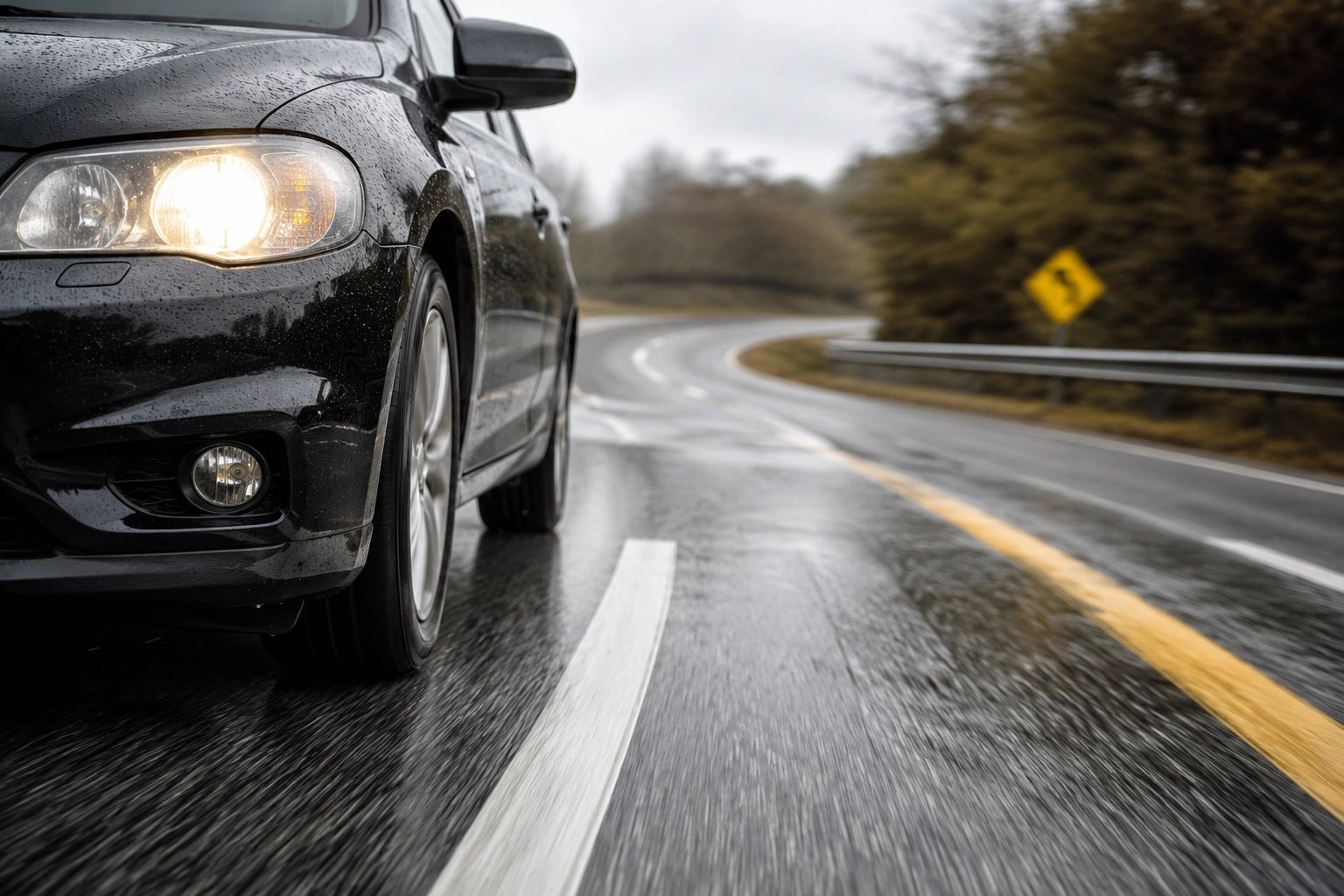
If your car pulls left or right when you press the brake pedal, the braking force may not be applied evenly across both sides of the vehicle. Common causes include a sticking brake caliper, uneven brake-pad wear, contaminated brake components or worn suspension parts.
This problem can affect vehicle control and stopping distance, so it should not be ignored.
Quick Answer
A car may pull to one side while braking because of:
- A sticking or seized brake caliper
- Uneven brake-pad wear
- Contaminated brake pads or rotors
- A damaged brake hose
- Uneven tire pressure
- Wheel-alignment problems
- Worn steering or suspension components
A professional brake inspection is recommended, especially when the pulling is strong or becoming worse.
1. Sticking Brake Caliper
A sticking brake caliper is one of the most common reasons a vehicle pulls while braking.
The caliper pushes the brake pads against the rotor. If one caliper does not apply or release properly, one wheel may brake harder than the other.
Possible signs include:
- Pulling during braking
- A burning smell
- One wheel becoming unusually hot
- Excessive brake dust on one side
- Uneven brake-pad wear
A seized caliper can overheat the brakes and damage the pads and rotor.
2. Uneven Brake-Pad Wear
Brake pads should normally wear at a similar rate on both sides of the vehicle. If one pad is thinner than the other, braking force may become uneven.
Uneven wear may result from:
- Sticking caliper slide pins
- A seized caliper piston
- Damaged brake hardware
- Incorrect installation
- A worn rotor
Replacing the pads alone may not solve the problem if the underlying cause remains.
3. Contaminated Brake Pads or Rotors
Oil, grease, brake fluid or other contaminants can reduce friction on one side of the braking system.
When one wheel produces less braking force, the vehicle may pull toward the side with the stronger brake.
Contaminated pads often require replacement, while the rotors may need professional cleaning or replacement depending on their condition.
4. Damaged Brake Hose
A damaged or internally collapsed brake hose can restrict brake-fluid flow.
This may prevent one caliper from applying properly or cause it to remain partially engaged after you release the pedal.
Other symptoms may include:
- Uneven braking
- Brake drag
- A soft or unusual pedal feel
- One wheel overheating
- The vehicle pulling after braking
Brake hoses should be inspected whenever uneven braking is suspected.
5. Uneven Tire Pressure or Tire Condition
Low tire pressure on one side can make a vehicle feel as though it is pulling during braking.
Uneven tread wear, mismatched tires or internal tire damage can also reduce grip and stability.
Check the pressure in all four tires when they are cold and compare it with the recommended pressure on the driver-side door label.
6. Wheel-Alignment Problems
Poor wheel alignment usually causes pulling during normal driving, but braking can make the problem feel stronger.
Signs of misalignment include:
- The vehicle drifting on a straight road
- An off-centre steering wheel
- Uneven tire wear
- Reduced steering stability
Alignment should be checked after confirming that the brakes, tires and suspension are in good condition.
7. Worn Steering or Suspension Parts
Worn suspension components can allow a wheel to move when braking force is applied.
Possible causes include:
- Worn control-arm bushings
- Loose tie-rod ends
- Damaged ball joints
- Weak shocks or struts
- Broken springs
You may also notice clunking noises, unstable handling or uneven tire wear.
Is It Safe to Drive When the Car Pulls While Braking?
A mild pull may allow you to drive carefully to a nearby repair shop, but the vehicle should be inspected soon.
Stop driving and arrange assistance when:
- The pulling is severe
- The brake pedal feels soft
- The vehicle becomes difficult to control
- You smell burning
- One wheel is extremely hot
- The brakes grind or vibrate
- A brake warning light appears
Uneven braking can make emergency stops unpredictable.
Does Pulling Always Mean a Brake Problem?
Not always. Tire pressure, wheel alignment and suspension wear can create similar symptoms.
A useful clue is when the pulling happens:
- Only during braking: likely a brake-related issue
- During normal driving: possibly tires, alignment or suspension
- During acceleration: possibly tires, alignment, drivetrain or suspension
A complete inspection helps identify the actual cause.
How Is the Problem Diagnosed?
A technician may:
- Test-drive the vehicle.
- Check tire pressure and tread condition.
- Inspect brake pads and rotors.
- Test caliper movement.
- Inspect brake hoses and fluid.
- Check steering and suspension parts.
- Measure the wheel alignment when necessary.
This prevents unnecessary repairs based on symptoms alone.
Brake Repair in Calgary
Heritage Auto Pro provides professional brake repair and inspection in Calgary near Chinook Mall.
Our technicians can inspect the calipers, brake pads, rotors, hoses, tires and suspension to determine why your vehicle pulls to one side when braking.
Book an inspection if the pulling is getting stronger, the brakes feel uneven or one wheel becomes unusually hot.
Frequently Asked Questions
Why does my car pull left when braking?
The right brake may not be applying properly, or the left brake may be applying more strongly. Tire, alignment and suspension problems can also cause pulling.
Can a bad brake caliper cause pulling?
Yes. A sticking or seized caliper can create uneven braking force and pull the vehicle to one side.
Can low tire pressure cause pulling during braking?
Yes. Uneven tire pressure can reduce stability and make the vehicle pull, especially under braking.
Can wheel alignment fix brake pulling?
Only when alignment is the cause. It will not repair a seized caliper, damaged hose or uneven brake pads.
Why is one wheel hotter than the others?
An unusually hot wheel may indicate a sticking caliper or restricted brake hose that is keeping the brake partially applied.