



Why Do My Brakes Vibrate? Causes and What It Means
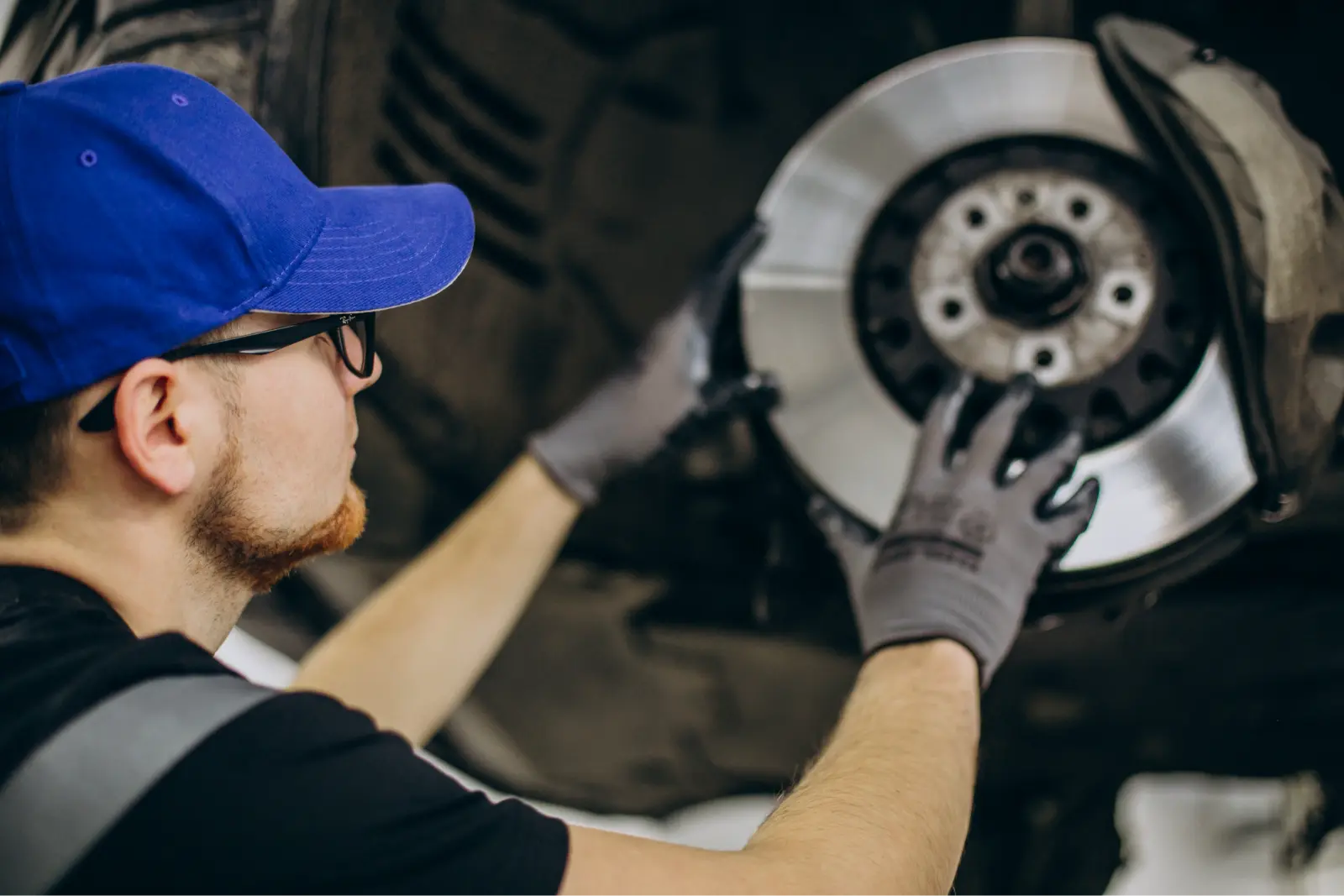
That Shaking Feeling Isn’t Normal
You press the brake pedal… and suddenly feel a vibration.
Sometimes it’s slight.
Sometimes the steering wheel shakes.
Sometimes the whole car feels unstable while slowing down.
Many drivers ignore it at first.
But brake vibration is not something to overlook.
It’s your car telling you something isn’t right.
What Does Brake Vibration Mean?
Brake vibration usually happens when something in your braking system is uneven or worn.
When you apply the brakes, components like the brake pads and rotors need to work smoothly together.
If they don’t, you feel it as a vibration or shaking.
The Most Common Causes of Brake Vibration
Warped Brake Rotors
This is the most common reason.
Over time, heat from braking can cause rotors to wear unevenly or warp slightly. When this happens, the brake pads don’t make smooth contact.
Result:
- Pulsation in the brake pedal
- Steering wheel shaking
Worn Brake Pads
Brake pads wear down over time.
If they become uneven or too thin, they can cause inconsistent contact with the rotors.
Result:
- Vibration during braking
- Reduced stopping performance
Uneven Rotor Surface
Even if rotors aren’t fully warped, they can develop uneven surfaces due to wear.
Result:
- Mild but noticeable vibration
- Less smooth braking
Suspension or Alignment Issues
Sometimes the problem isn’t the brakes directly.
Worn suspension components or alignment issues can amplify vibrations when braking.
Result:
- Shaking at higher speeds
- Less control while stopping
When Do You Feel the Vibration?
The timing of the vibration can tell you a lot:
- At high speeds: Often related to rotor issues
- At low speeds: Could be pad wear or minor rotor unevenness
- Through steering wheel: Usually front brake components
- Through brake pedal: Likely rotor-related
Why You Shouldn’t Ignore Brake Vibration
It might seem like a minor annoyance, but it can lead to bigger problems.
Ignoring it can result in:
- Longer stopping distances
- Increased wear on brake components
- Reduced control while braking
- Potential safety risks
Brakes are one of the most important safety systems in your vehicle.
How It Affects Your Driving Experience
When your braking system is working properly, stopping should feel smooth and controlled.
When it’s not, you may notice:
- Jerky or uneven braking
- Reduced confidence while driving
- More effort needed to stop the vehicle
Even a small vibration can affect how your car responds.
Can Brake Vibration Be Fixed?
Yes, and in most cases, it’s straightforward once the cause is identified.
Fixes may include:
- Resurfacing or replacing brake rotors
- Replacing worn brake pads
- Addressing alignment or suspension issues
The key is identifying the root cause early.
What You Should Do Next
If you feel vibration when braking, don’t ignore it.
Pay attention to:
- When it happens
- How strong it feels
- Whether it’s getting worse
This information helps in understanding the issue better.
FAQs – Brake Vibration
Why do my brakes vibrate when I slow down?The most common reason is uneven or warped brake rotors, but it can also be caused by worn brake pads or alignment issues.
Is it safe to drive with vibrating brakes?It may still be drivable, but it’s not recommended to ignore it as it can affect stopping performance and safety.
Can brake vibration go away on its own?No, it usually gets worse over time if the underlying issue is not addressed.
Do I need new brakes if I feel vibration?Not always. It depends on the cause. Sometimes only specific components need attention.
Does brake vibration affect stopping distance?Yes, it can reduce braking efficiency and increase stopping distance.