



Why Do My Brakes Squeak Even After Replacing the Brake Pads?
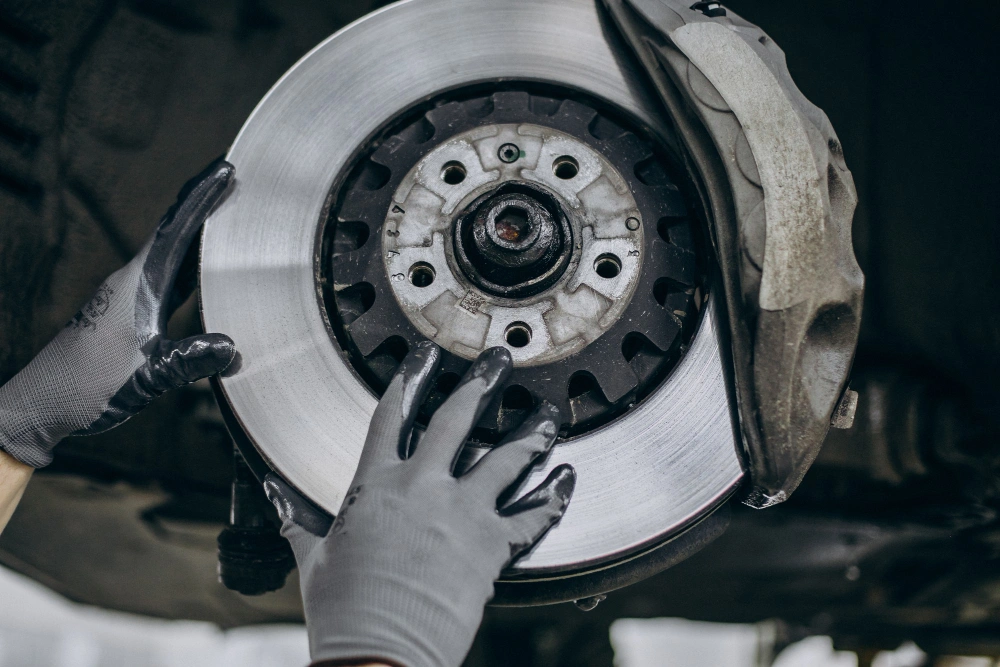
New brake pads do not always make the braking system completely silent. Some squeaking is normal during the break-in period, but persistent noise may indicate glazed pads, worn rotors, missing hardware or improper installation.
The cause should be inspected if the noise continues, becomes louder or is accompanied by vibration, reduced braking performance or grinding.
Quick Answer
Brakes may squeak after pad replacement because:
- The new pads are still bedding in
- The rotors are worn or glazed
- Brake hardware was not replaced or lubricated
- Dust or debris is trapped between components
- The pad material naturally produces more noise
- A caliper is sticking
- The pads were installed incorrectly
Light, temporary squeaking may disappear after normal use. Constant or severe noise should be checked professionally.
1. The Brake Pads Are Still Bedding In
New brake pads need time to create an even contact surface with the brake rotors. This process is known as bedding or break-in.
During the first few drives, you may notice:
- Light squeaking
- A different brake-pedal feel
- A slight burning smell
- Minor brake dust
The noise should gradually reduce as the pads and rotors develop consistent contact.
Avoid repeated hard braking immediately after installation unless the repair shop provides a specific bedding procedure.
2. The Brake Rotors Are Worn or Glazed
Replacing the pads without resurfacing or replacing worn rotors can cause new brake noise.
Rotors may develop:
- Grooves
- Rust
- Uneven surfaces
- Heat spots
- A smooth, glazed finish
New pads cannot make even contact with a damaged rotor surface. This may cause squeaking, vibration or reduced braking smoothness.
A technician can measure rotor thickness and determine whether resurfacing or replacement is required.
3. The Brake Pads Have Become Glazed
Brake pads can become glazed when excessive heat creates a hard, shiny surface on the friction material.
This can happen because of:
- Heavy braking
- Improper bedding
- A sticking caliper
- Riding the brake pedal
- Overheating during installation or use
Glazed pads may squeak and provide less effective friction. Depending on their condition, they may need to be resurfaced or replaced.
4. Brake Hardware Was Not Replaced
Brake pads use clips, shims and springs to keep them properly positioned and reduce vibration.
Old or damaged hardware can allow the new pads to move slightly against the caliper or rotor. That vibration may create a high-pitched squeaking sound.
Worn hardware can also cause:
- Uneven pad wear
- Clicking noises
- Brake drag
- Pads that do not release correctly
Brake hardware should be inspected whenever the pads are replaced.
5. Brake Lubrication Is Missing or Incorrect
Specific brake-contact points require high-temperature brake lubricant. These may include the caliper slide pins, pad contact points and the back of the brake pads where appropriate.
Insufficient lubrication can allow vibration and sticking. Using the wrong lubricant or applying it to the pad or rotor friction surfaces can also create serious problems.
Brake grease must never be placed on the surfaces that provide braking friction.
6. Dust, Rust or Debris Is Trapped in the Brakes
Brake dust, road dirt or small rust particles can become trapped between the pad and rotor.
This may create temporary squeaking, especially after:
- Driving on dusty roads
- Washing the vehicle
- Driving in rain or snow
- Leaving the vehicle parked for several days
Light surface rust often clears after a few normal stops. Persistent noise may require cleaning and inspection.
7. The Pad Material Is Naturally Noisy
Brake pads are manufactured from different materials, including ceramic, semi-metallic and organic compounds.
Some performance or semi-metallic pads may produce more noise, particularly when cold. Ceramic pads are often quieter, but the correct choice depends on the vehicle and driving requirements.
A slightly noisier pad is not always defective, but it should still provide smooth and consistent braking.
8. A Brake Caliper Is Sticking
The caliper presses the brake pads against the rotor. If the caliper piston or slide pins stick, one pad may remain in contact with the rotor.
A sticking caliper can cause:
- Continuous squeaking
- Excessive brake dust on one wheel
- A burning smell
- The vehicle pulling during braking
- One wheel becoming unusually hot
- Rapid or uneven pad wear
This issue requires prompt attention because it can overheat the brakes and damage the new pads and rotor.
9. The Pads Were Installed Incorrectly
Incorrect pad positioning, missing shims or improperly fitted clips can create noise immediately after replacement.
Other installation problems may include:
- Loose caliper bolts
- Pads installed on the wrong side
- Incorrect pad size
- Contaminated friction surfaces
- Twisted or damaged hardware
The brakes should be rechecked if the squeaking began immediately after the service and does not improve.
Is It Normal for New Brake Pads to Squeak?
A small amount of squeaking can be normal during the first few hundred kilometres, especially when the brakes are cold or damp.
However, the noise should not be ignored when it:
- Continues for an extended period
- Happens every time you brake
- Becomes louder
- Is accompanied by grinding
- Causes steering-wheel vibration
- Reduces braking performance
- Produces a burning smell
These symptoms may indicate a problem beyond normal break-in noise.
Why Do My Brakes Squeak Only in the Morning?
Moisture can create a thin layer of surface rust on the rotors overnight. The brakes may squeak during the first few stops as the pads remove it.
This is common after rain, snow, washing the vehicle or parking in humid conditions. The noise should disappear quickly.
If it continues after the brakes warm up, further inspection is recommended.
What Is the Difference Between Squeaking and Grinding?
Squeaking is usually a high-pitched sound caused by vibration, pad material or surface conditions.
Grinding is a harsher metal-on-metal noise that may indicate:
- Completely worn brake pads
- A damaged rotor
- Loose brake hardware
- A seized caliper
- Debris trapped in the brake assembly
Do not continue driving with grinding brakes. The braking system may be unsafe and further damage can occur quickly.
How Are Squeaking Brakes Diagnosed?
A brake inspection may include:
- Measuring the remaining pad thickness.
- Inspecting the rotor surface and thickness.
- Checking pad installation and hardware.
- Testing caliper pistons and slide pins.
- Looking for uneven wear or overheating.
- Checking for contamination or trapped debris.
- Road-testing the vehicle to reproduce the noise.
This helps determine whether the brakes need more break-in time, cleaning, lubrication, resurfacing or replacement parts.
Brake Inspection in Calgary
Heritage Auto Pro provides professional brake repair and inspection in Calgary near Chinook Mall.
Our technicians can inspect your brake pads, rotors, calipers and hardware to identify why the brakes are still squeaking after pad replacement.
Schedule an inspection if the noise continues, braking feels different or you notice vibration, grinding or a burning smell.
Frequently Asked Questions
How long should new brake pads squeak?
Light squeaking may occur during the first few drives or the bedding-in period. Persistent noise after several hundred kilometres should be inspected.
Do new brake pads need new rotors?
Not always. Rotors may be reused when they are smooth, within the required thickness and free from significant damage. Worn or uneven rotors may need resurfacing or replacement.
Can brake dust cause squeaking?
Yes. Brake dust and road debris can collect around the pad and rotor, creating temporary noise.
Can cheap brake pads cause more noise?
Some lower-quality or aggressive pad materials may be noisier. However, installation, rotor condition and brake hardware can also cause squeaking.
Are squeaking brakes dangerous?
Squeaking alone does not always mean the brakes are unsafe. However, noise combined with grinding, vibration, pulling or reduced stopping power requires immediate inspection.