



What’s That Sound Is It Actually Your Axle?
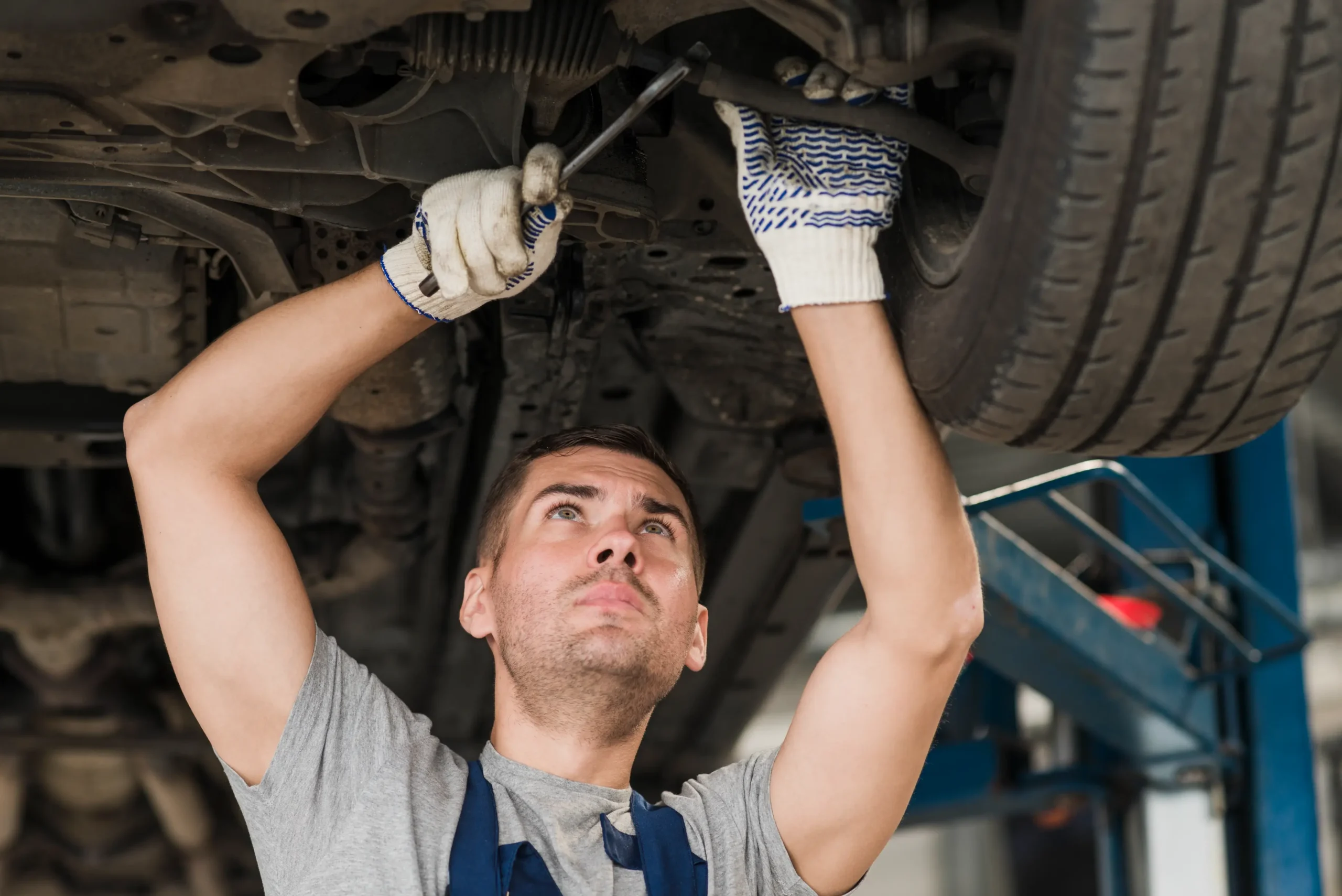
Strange noises from your vehicle can be frustrating and concerning. Clicking while turning, clunking when accelerating, or vibrations at higher speeds are often signs that something underneath the vehicle needs attention. In many cases, the issue could be related to your axle or nearby drivetrain components.
Your axle plays a major role in transferring power to the wheels and supporting vehicle movement. When axle problems begin, your car usually gives warning signs before a complete failure happens.
What Does an Axle Do?
An axle is a shaft that connects to the wheels and helps deliver power from the transmission or differential. It also supports wheel rotation and helps the vehicle move smoothly.
Depending on the vehicle, you may have:
- Front axles
- Rear axles
- CV axles on front-wheel-drive vehicles
- Solid rear axles on trucks and SUVs
If an axle or CV joint becomes damaged, performance and safety can be affected.
Common Sounds That May Point to Axle Problems
1. Clicking While Turning
A repeated clicking sound during turns is one of the most common signs of a worn CV joint, especially on front-wheel-drive vehicles.
2. Clunking When Shifting or Accelerating
A clunk when changing gears or accelerating may indicate worn axle joints, mounts, or drivetrain play.
3. Humming or Growling Noise
Some axle-related bearing issues can create humming or growling sounds that increase with speed.
4. Vibrations While Driving
A bent axle or worn CV shaft can cause noticeable vibrations, especially during acceleration.
5. Knocking Over Bumps
Loose or worn suspension parts can also make noise, but axle components should be inspected if knocking is present.
Other Signs of Axle Trouble
Noise is not the only warning sign. You may also notice:
- Grease around the inside of the wheel
- Torn CV boots
- Shaking during acceleration
- Difficulty steering
- Uneven handling
- Fluid leaks near axle seals
What Causes Axle Damage?
Axle issues can happen over time or from sudden impact.
Common causes include:
- Torn CV boots allowing dirt inside
- Lack of lubrication
- Hitting potholes or curbs
- Accidents
- High mileage wear
- Heavy loads or aggressive driving
Can You Drive With a Bad Axle?
Sometimes the vehicle may still move, but it is not recommended. A failing axle can worsen quickly and may eventually leave you stranded or affect control of the vehicle.
How Axle Problems Are Diagnosed
A technician may inspect:
- CV boots and joints
- Axle shafts
- Wheel bearings
- Suspension components
- Tire condition
- Drivetrain movement during road test
Because many noises sound similar, proper diagnosis is important.
FAQs About Axle Noise
Can bad tires sound like axle problems? Yes. Tire noise, wheel bearings, and suspension issues can mimic axle sounds.
What is a CV joint? A constant velocity (CV) joint allows the axle to transfer power while the suspension moves and wheels turn.
Is clicking while turning always the axle? Not always, but worn CV joints are a common cause.
How much does axle repair cost? It depends on the vehicle and whether the issue is the axle, CV joint, seal, or related parts.