


What Calgary Drivers Should Know About Vehicle Rust and Corrosion Protection
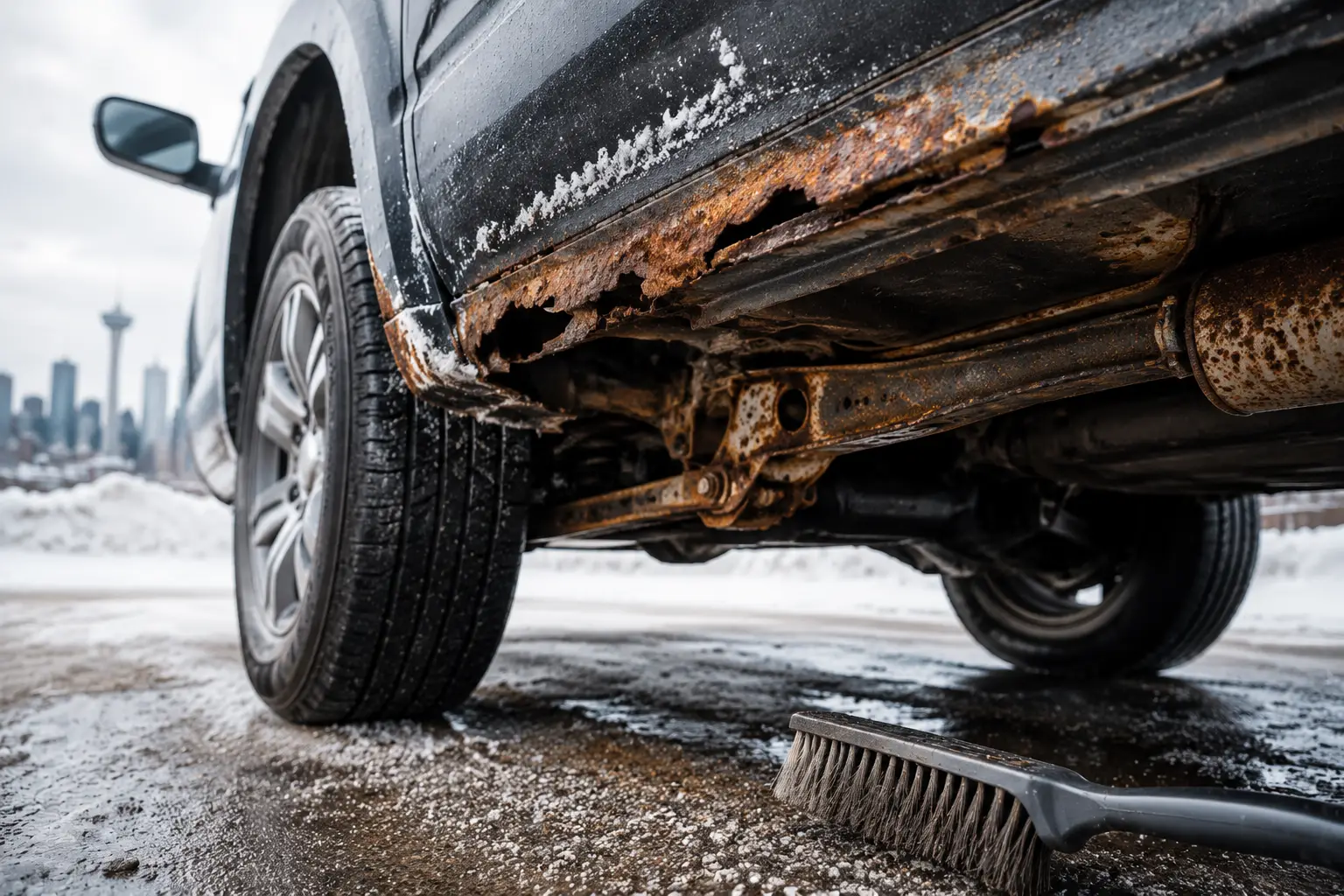
Calgary drivers deal with some of the toughest conditions vehicles can face. From freezing winter temperatures and heavy snowfall to road salt and moisture, local driving conditions can create the perfect environment for rust and corrosion.
Many vehicle owners think rust is only a cosmetic problem, but corrosion can affect important safety and mechanical components if it is left untreated. Over time, rust can weaken metal parts, damage vehicle systems, and lead to expensive repairs.
Understanding how rust develops and how to protect your vehicle can help Calgary drivers extend the life of their cars, trucks, and SUVs.
Why Vehicles in Calgary Are More Vulnerable to Rust
Rust forms when metal is exposed to oxygen and moisture. While water alone can cause corrosion over time, the process becomes much faster when salt and other chemicals are involved.
During Calgary winters, road crews use salt and de-icing materials to improve road safety. While these treatments help reduce slippery road conditions, they can also accelerate corrosion when they collect underneath your vehicle.
Common areas where rust can develop include:
- Vehicle undercarriage
- Brake lines
- Exhaust components
- Suspension parts
- Wheel wells
- Door edges
- Frame components
- Areas around fasteners and joints
Because many of these areas are not visible during regular vehicle inspections, corrosion can progress unnoticed for years.
How Road Salt Damages Your Vehicle
Road salt is one of the biggest contributors to vehicle corrosion in Calgary.
When your vehicle drives through salty winter roads, the mixture of salt, moisture, and dirt can stick to metal surfaces. This creates a chemical reaction that speeds up rust formation.
The problem becomes worse when:
- Salt collects underneath the vehicle
- Snow and ice trap moisture against metal surfaces
- Vehicles are not washed regularly during winter
- Small scratches expose bare metal
Even after winter ends, leftover salt deposits can continue causing damage if they are not removed.
Parts of Your Vehicle Most Affected by Rust
Rust does not only affect the exterior appearance of your vehicle. It can impact important mechanical and safety components.
1. Vehicle Undercarriage
The underside of your vehicle experiences the most exposure to road debris, water, and salt.
Rust underneath the vehicle can affect:
- Frame components
- Exhaust systems
- Mounting points
- Suspension parts
Because the undercarriage is difficult to see, regular inspections are important for identifying early corrosion.
2. Brake Components
Brake systems are especially vulnerable because many components are exposed to moisture and road contaminants.
Corrosion can affect:
- Brake lines
- Brake calipers
- Brake hardware
- Mounting brackets
Severe corrosion on brake components can become a safety concern and should always be inspected by a professional.
3. Suspension Components
Your suspension system helps maintain vehicle control and ride quality.
Rust can weaken or damage components such as:
- Control arms
- Springs
- Mounting brackets
- Fasteners
If corrosion affects suspension components, it may lead to reduced performance or expensive repairs.
4. Exhaust System
The exhaust system regularly experiences heat changes and exposure to moisture.
Over time, rust can cause:
- Exhaust leaks
- Damaged pipes
- Increased noise
- Reduced system efficiency
Winter driving conditions can speed up exhaust corrosion, especially when vehicles are frequently exposed to snow and road salt.
Signs Your Vehicle May Have Rust Problems
Rust often begins in small areas before becoming a larger issue.
Some warning signs include:
Visible Rust Spots
Small orange or brown spots on your vehicle may indicate the beginning stages of corrosion.
Bubbling Paint
Paint bubbles often occur when rust develops underneath the surface.
Flaking Metal
Cracked or peeling areas may indicate more advanced corrosion.
Strange Noises
Unusual sounds from underneath your vehicle could be related to rusted or damaged components.
Fluid Leaks
Corrosion affecting brake lines or other components may lead to leaks that require immediate attention.
How Calgary Drivers Can Protect Their Vehicles From Rust
Preventing rust is much easier and less expensive than repairing advanced corrosion.
Here are some practical ways to protect your vehicle:
1. Wash Your Vehicle Regularly During Winter
Many drivers avoid washing their vehicles during cold months, but winter washing is one of the best ways to remove salt buildup.
A proper wash should include:
- Undercarriage cleaning
- Wheel well cleaning
- Removal of road salt deposits
Even during winter, occasional washing can significantly reduce corrosion risk.
2. Keep Drainage Areas Clear
Vehicles are designed with drainage points that allow water to escape.
Blocked drainage areas can trap moisture and increase rust risk.
Check areas such as:
- Door drains
- Sunroof drains
- Trunk drainage points
Keeping these areas clear helps prevent moisture buildup.
3. Apply Rust Protection Treatments
Rust protection products can provide an additional barrier against moisture and salt.
Common options include:
- Oil-based rust protection
- Electronic rust protection systems
- Protective coatings
The right option depends on your vehicle, driving habits, and exposure to winter conditions.
4. Repair Paint Damage Quickly
Small chips and scratches may seem minor, but they can expose metal underneath.
Once bare metal is exposed, moisture can begin the corrosion process.
Addressing paint damage early can help prevent larger rust problems.
Does Calgary’s Climate Require Extra Vehicle Maintenance?
For many drivers, yes.
Calgary experiences:
- Cold winters
- Frequent temperature changes
- Snow and ice buildup
- Road salt exposure
- Wet spring conditions
These factors make regular inspections especially valuable.
A seasonal vehicle inspection can help identify:
- Early rust development
- Damaged components
- Fluid leaks
- Suspension issues
- Brake concerns
Finding these issues early can help prevent unexpected repairs.
Rust Prevention Tips for New and Older Vehicles
Whether you drive a brand-new vehicle or an older model, rust prevention is important.
For newer vehicles:
- Protect factory finishes
- Maintain regular washing habits
- Consider additional corrosion protection
For older vehicles:
- Inspect existing rust areas
- Repair damaged surfaces
- Monitor underbody components
- Schedule regular maintenance checks
Older vehicles can often continue running reliably when corrosion is properly managed.
Professional Vehicle Inspections Help Catch Rust Early
Many corrosion problems are difficult for vehicle owners to identify because they develop underneath the vehicle or around mechanical components.
A professional inspection allows technicians to check areas that are difficult to access and identify potential problems before they become major repairs.
At Heritage Auto Pro, our team helps Calgary drivers keep their vehicles reliable through every season. From brake inspections and suspension checks to general vehicle maintenance, regular service can help protect your investment.
Protect Your Vehicle From Calgary’s Harsh Conditions
Rust and corrosion are common challenges for Calgary drivers, but they are not unavoidable. With proper maintenance, regular cleaning, and professional inspections, you can significantly reduce the risk of corrosion damage.
Taking care of your vehicle today can help prevent costly repairs in the future and keep your car, truck, or SUV performing safely for years to come.
Schedule your vehicle inspection with Heritage Auto Pro and keep your vehicle protected against Calgary’s toughest driving conditions.