



Smooth-Shifting Transmission Service for Tow Vehicles
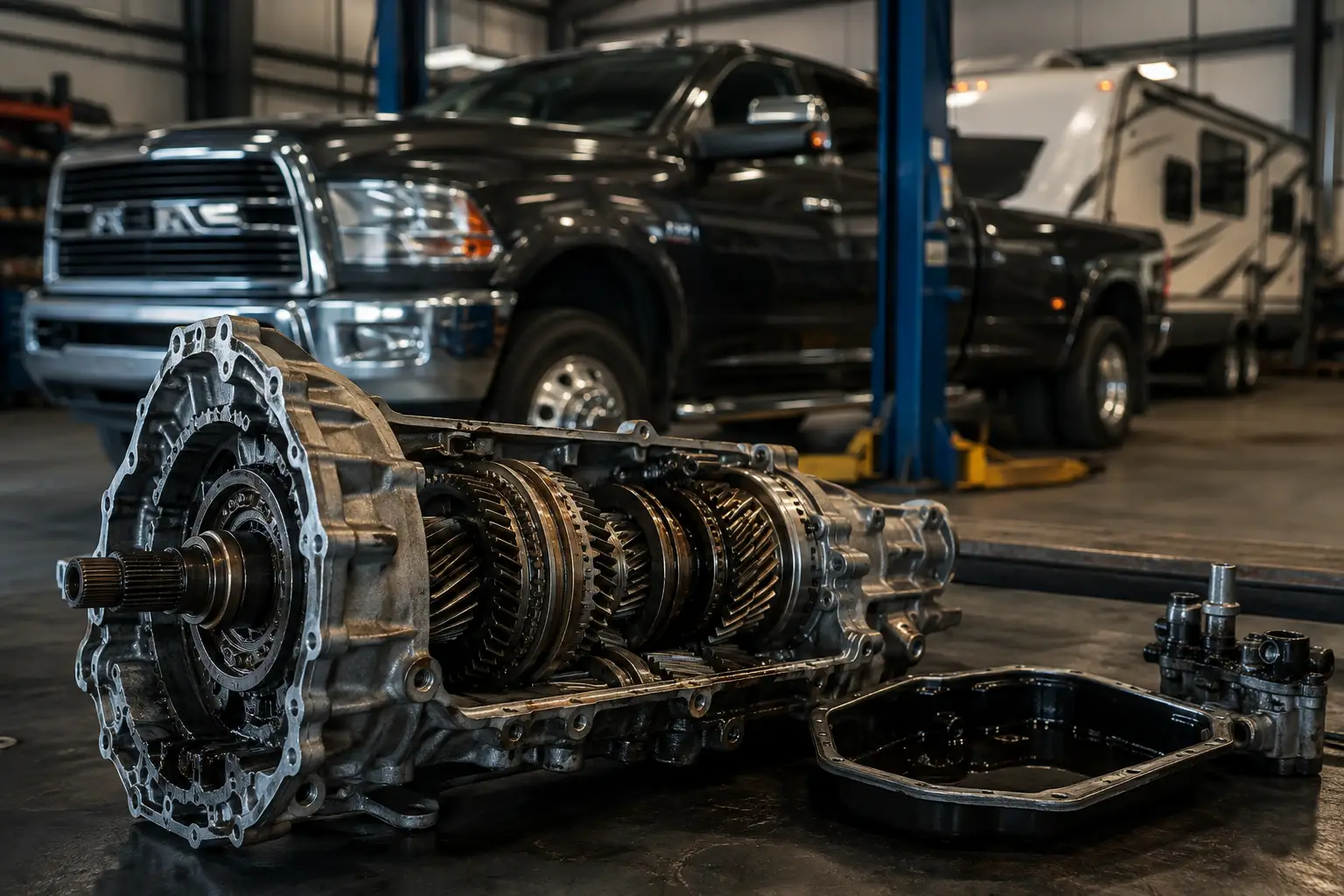
Towing puts extra strain on nearly every major system in your vehicle, but the transmission often works harder than anything else. Whether you regularly tow a trailer, camper, work equipment, or recreational vehicle, keeping your transmission in good condition is essential for smooth shifting, dependable performance, and long-term reliability.
For drivers who use their vehicle for towing, transmission maintenance should not be treated the same way as it is for a vehicle used only for everyday commuting. Extra weight, increased heat, and repeated gear changes can all accelerate transmission wear.
At Heritage Auto Pro, proper transmission care can help tow vehicles remain dependable under demanding driving conditions.
Why Towing Is Hard on Your Transmission
Your transmission transfers power from the engine to the wheels while continually adjusting gear ratios based on speed, load, and driving conditions.
When you tow additional weight, the transmission must work harder to keep the vehicle moving. This is especially noticeable when accelerating, climbing hills, driving through stop-and-go traffic, or travelling over long distances.
The additional workload can cause transmission temperatures to rise. Excessive heat is one of the biggest contributors to transmission fluid deterioration and internal transmission wear.
A vehicle that frequently tows may therefore require more frequent inspections and maintenance than one driven under lighter conditions.
Transmission Fluid Is Especially Important for Tow Vehicles
Transmission fluid performs several important jobs inside the transmission. It lubricates moving components, helps control temperature, supports hydraulic operation, and allows gears to shift smoothly.
Over time, transmission fluid can become contaminated or lose its ability to provide proper lubrication and cooling.
Vehicles used for towing may experience faster fluid breakdown because the transmission is operating under greater pressure and producing more heat.
Signs that the transmission fluid may require attention can include:
- Rough or delayed gear changes
- Transmission slipping
- Hesitation when accelerating
- Unusual noises while shifting
- A burning smell
- Dark or contaminated transmission fluid
Regularly checking the condition and level of the transmission fluid can help identify potential problems before they develop into more expensive repairs.
Smooth Shifting Matters When Towing
Smooth transmission operation is important during normal driving, but it becomes even more important when pulling additional weight.
A transmission that hesitates, slips, or shifts aggressively can make towing uncomfortable and may affect vehicle control.
For example, delayed shifting while climbing a hill can place additional strain on the drivetrain. Rough downshifting while descending or slowing down can also make the vehicle feel less predictable.
If your vehicle begins shifting differently while towing, it is worth having the transmission inspected rather than assuming the behaviour is normal because of the extra load.
Watch Transmission Temperature
Heat is a major concern for vehicles that tow regularly.
As the transmission works harder, temperatures can increase significantly. Transmission fluid helps remove this heat, but once the fluid becomes excessively hot, its ability to protect internal components can decrease.
Modern trucks and SUVs may provide transmission temperature information through the dashboard or vehicle information system. Drivers who tow frequently should pay attention to unusually high temperatures, particularly during long uphill drives or hot weather.
Depending on the vehicle and towing demands, a properly functioning transmission cooler can also play an important role in managing temperature.
If your transmission is regularly running hotter than expected, an inspection can help determine whether the fluid, cooling system, or another component requires attention.
Do Tow Vehicles Need More Frequent Transmission Service?
In many cases, yes.
Vehicle manufacturers often classify towing as severe or heavy-duty use. Maintenance recommendations for severe driving conditions may call for shorter transmission service intervals than standard driving.
The appropriate interval depends on several factors, including:
- Vehicle make and model
- Transmission type
- Trailer weight
- Frequency of towing
- Driving environment
- Mountain or highway driving
- Transmission fluid type
- Manufacturer recommendations
Rather than relying on one universal mileage interval, it is best to follow the service schedule recommended for your specific vehicle and how you actually use it.
Warning Signs You Should Not Ignore
Transmission problems often provide warning signs before a major failure occurs.
If you tow regularly, pay particular attention to changes in shifting behaviour.
Schedule an inspection if you notice:
Delayed Engagement
If the vehicle takes longer than usual to engage Drive or Reverse, there may be a transmission fluid or internal transmission issue.
Transmission Slipping
If engine RPM rises without a corresponding increase in vehicle speed, the transmission may be slipping.
Hard or Jerky Shifts
Sudden or aggressive gear changes can indicate fluid problems, electronic issues, worn components, or other transmission concerns.
Fluid Leaks
Transmission fluid underneath the vehicle should always be investigated. Low fluid can quickly lead to overheating and transmission damage.
Unusual Noises
Whining, humming, grinding, or clunking noises during gear changes may indicate a developing problem that requires professional diagnosis.
Transmission Inspections Can Prevent Bigger Problems
Transmission repairs can become expensive when problems are allowed to progress.
Routine inspections give technicians an opportunity to check transmission fluid condition, identify leaks, inspect related components, and evaluate shifting performance.
For vehicles used frequently for towing, preventative maintenance can be especially valuable because the transmission experiences greater stress than it would under normal driving conditions.
Addressing a small leak or deteriorated fluid early may help prevent more significant internal damage later.
Prepare Your Vehicle Before a Long Towing Trip
If you are preparing for a long road trip while towing a trailer, camper, or other heavy load, it is a good idea to have the vehicle inspected beforehand.
In addition to the transmission, important systems to check may include:
- Engine cooling system
- Brakes
- Tires
- Suspension
- Battery and charging system
- Engine oil
- Transmission fluid
- Differential and drivetrain components
A vehicle that performs well during everyday driving may behave differently once several thousand pounds of additional weight are attached.
Preventative maintenance can provide added confidence before heading out on the road.
Transmission Service for Tow Vehicles in Calgary
Towing places additional demands on your transmission, particularly during Calgary’s changing weather conditions, highway driving, and trips through areas with steep elevation changes.
Keeping transmission fluid in good condition, monitoring shifting behaviour, and addressing warning signs early can help your tow vehicle continue performing smoothly.
Heritage Auto Pro provides professional transmission inspections, maintenance, and repair services for trucks, SUVs, and other vehicles used for towing.
If your vehicle is shifting roughly, running hotter than normal, or simply due for preventative transmission maintenance, schedule an inspection before the next towing season or long-distance trip.
A properly maintained transmission helps keep your vehicle ready for the extra workload that comes with towing.