



How Often Should You Service a High-Mileage Vehicle in Calgary?
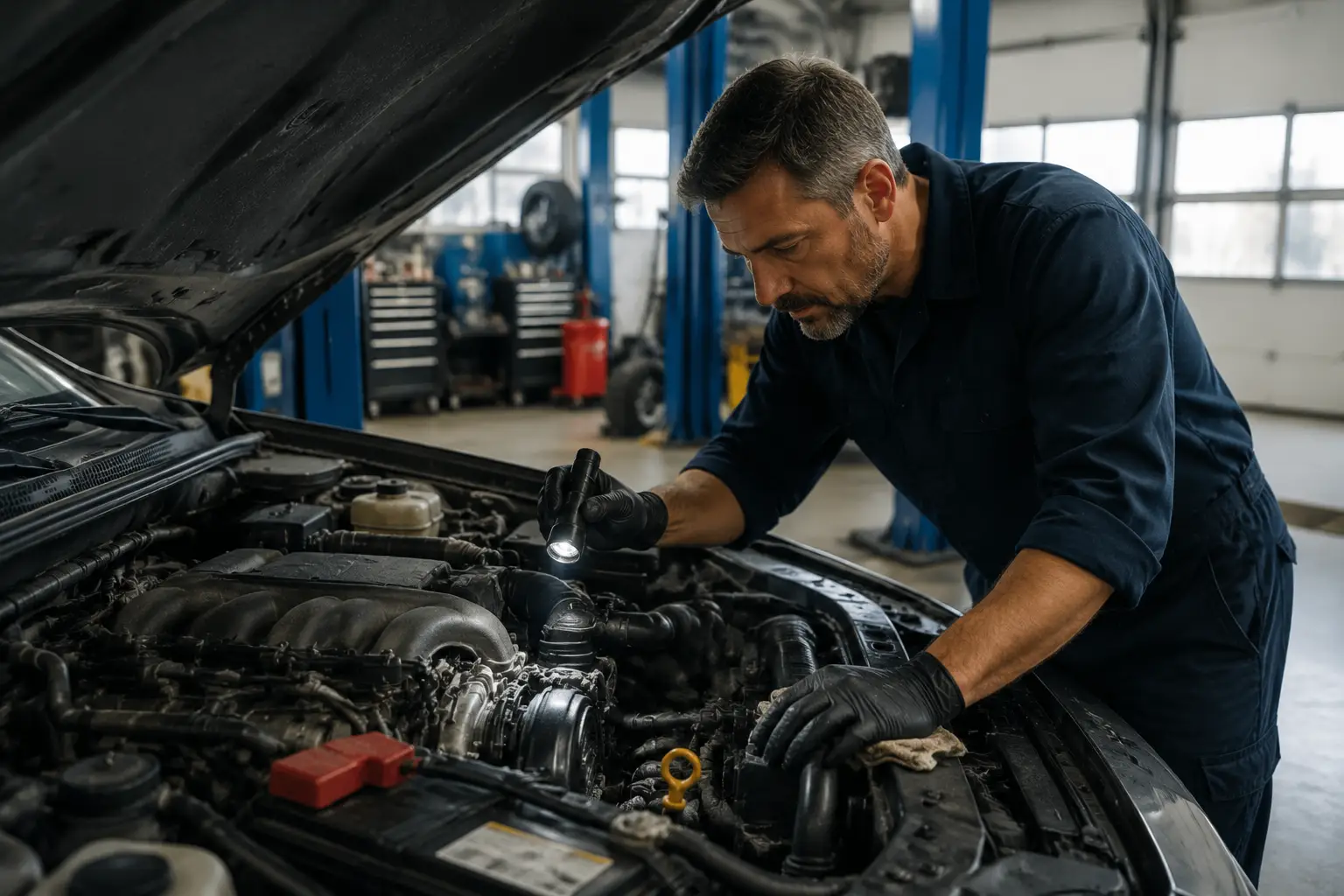
Many Calgary drivers rely on their vehicles for years, often keeping them well beyond the typical mileage range. A properly maintained high-mileage vehicle can continue providing reliable performance for hundreds of thousands of kilometres, but it requires more attention as components naturally begin to wear.
As a vehicle gets older and accumulates more kilometres, regular maintenance becomes even more important. Small issues that may have been minor in the past can quickly turn into expensive repairs if they are ignored.
Understanding how often to service a high-mileage vehicle and what components require extra attention can help Calgary drivers extend the life of their cars, trucks, and SUVs.
What Is Considered a High-Mileage Vehicle?
While there is no exact number that defines a high-mileage vehicle, many technicians consider vehicles with 160,000 kilometres or more to be entering the high-mileage category.
At this stage, vehicles often require more frequent inspections because components experience more wear from years of driving.
A vehicle’s condition depends on many factors, including:
- Maintenance history
- Driving habits
- Road conditions
- Climate exposure
- Vehicle make and model
- Type of driving (city, highway, towing, etc.)
A well-maintained vehicle with higher mileage can often be more reliable than a poorly maintained newer vehicle.
Why High-Mileage Vehicles Need More Frequent Service
As your vehicle accumulates kilometres, normal wear begins affecting important systems.
Over time, components may experience:
- Reduced lubrication efficiency
- Fluid breakdown
- Rubber deterioration
- Increased friction
- Component wear
- Reduced performance
Regular maintenance helps identify these changes early and allows repairs before they become major problems.
For Calgary drivers, maintenance becomes even more important because vehicles are exposed to:
- Cold winter temperatures
- Road salt and moisture
- Potholes and rough roads
- Seasonal temperature changes
How Often Should You Service a High-Mileage Vehicle?
The ideal service schedule depends on your vehicle, driving habits, and manufacturer recommendations. However, many high-mileage vehicles benefit from inspections more frequently than newer vehicles.
A general guideline:
Every 5,000–8,000 km
Consider checking:
- Engine oil level and condition
- Tire condition and pressure
- Fluid levels
- Visible leaks
- Brake condition
Frequent oil changes are especially important because older engines may consume oil or experience increased internal wear.
Every 15,000–30,000 km
A more detailed inspection should include:
- Brake system check
- Suspension inspection
- Steering components
- Battery testing
- Air filter inspection
- Fluid condition
This helps identify developing issues before they affect reliability.
Every 50,000–100,000 km
Depending on the vehicle manufacturer’s recommendations, additional services may include:
- Transmission service
- Coolant service
- Spark plug replacement
- Belt inspection
- Fuel system maintenance
- Differential service
Important Maintenance Areas for High-Mileage Vehicles
Older vehicles require attention across multiple systems. Regular inspections can help maintain performance and reliability.
1. Engine Oil and Lubrication
Engine oil becomes even more important as vehicles age.
Oil protects internal engine components by reducing friction and helping control heat.
High-mileage engines may experience:
- Increased oil consumption
- Oil leaks
- Reduced lubrication efficiency
Regular oil changes help protect engine components and maintain performance.
If you notice:
- Low oil levels between changes
- Oil spots under your vehicle
- Burning oil smells
your vehicle should be inspected.
2. Transmission Maintenance
The transmission is one of the most expensive components to repair, making preventative maintenance extremely valuable.
As mileage increases, transmission fluid can become:
- Dirty
- Less effective
- Contaminated with wear particles
Signs of transmission issues include:
- Rough shifting
- Delayed engagement
- Slipping gears
- Unusual noises
- Burning smells
Regular transmission inspections can help identify problems before major damage occurs.
3. Cooling System Service
The cooling system becomes increasingly important as vehicles age.
Components such as:
- Radiators
- Water pumps
- Thermostats
- Hoses
- Coolant reservoirs
can wear over time.
Cooling system problems may lead to overheating, which can cause serious engine damage.
High-mileage vehicles should be checked regularly for:
- Coolant leaks
- Cracked hoses
- Low coolant levels
- Overheating concerns
4. Suspension and Steering Components
Calgary roads can be demanding on older vehicles.
Potholes, rough surfaces, and winter conditions can accelerate wear on:
- Shocks and struts
- Ball joints
- Control arms
- Tie rods
- Bushings
Signs of suspension wear include:
- Excessive bouncing
- Uneven tire wear
- Vehicle pulling to one side
- Steering looseness
- Clunking noises
Maintaining suspension components improves both comfort and safety.
5. Brakes
Brake components naturally wear over time, especially in city driving conditions.
High-mileage vehicles should have regular brake inspections to check:
- Brake pads
- Rotors
- Calipers
- Brake fluid
- Brake lines
Ignoring brake problems can lead to reduced stopping performance and more expensive repairs.
6. Belts, Hoses, and Rubber Components
Many vehicle components rely on rubber materials that deteriorate with age.
Over time, parts such as:
- Serpentine belts
- Coolant hoses
- Engine mounts
- Suspension bushings
can become cracked or weakened.
Replacing worn components before failure can help prevent unexpected breakdowns.
How Calgary Weather Affects High-Mileage Vehicles
Calgary’s climate creates additional challenges for older vehicles.
Winter Conditions
Cold temperatures can affect:
- Battery performance
- Engine starting
- Fluid thickness
- Tire pressure
Older vehicles may struggle more during extreme cold.
Road Salt Exposure
Salt and moisture can accelerate corrosion on:
- Brake lines
- Exhaust systems
- Undercarriage components
Temperature Changes
Rapid changes between cold and warmer conditions can affect seals, hoses, and fluids.
Regular inspections help identify weather-related damage.
Signs Your High-Mileage Vehicle Needs Service
Do not wait until a breakdown occurs. Schedule an inspection if you notice:
- Warning lights on the dashboard
- Unusual noises
- Reduced fuel efficiency
- Rough idling
- Fluid leaks
- Difficulty starting
- Changes in shifting
- Steering or braking concerns
Small changes often provide early warnings that maintenance is needed.
Can Regular Maintenance Extend Vehicle Life?
Yes. Proper maintenance is one of the biggest factors in how long a vehicle remains reliable.
A high-mileage vehicle with consistent service can often continue performing well because regular maintenance helps:
- Prevent major failures
- Improve reliability
- Maintain fuel efficiency
- Protect resale value
- Reduce unexpected repair costs
The goal is not just fixing problems when they happen but preventing them whenever possible.
High-Mileage Vehicle Service in Calgary
Owning a high-mileage vehicle does not mean you need to replace it. With proper maintenance and regular inspections, many vehicles can continue serving Calgary drivers for years.
At Heritage Auto Pro, we help drivers maintain older vehicles with professional inspections, preventative maintenance, and repair services. From oil changes and brake inspections to transmission, suspension, and engine services, our team helps keep your vehicle reliable.
If your vehicle has accumulated significant kilometres or you want to prepare it for many more years of driving, regular service is the best way to protect your investment.
Schedule your high-mileage vehicle inspection with Heritage Auto Pro and keep your vehicle running strong on Calgary roads.