



How Mountain Driving Near Calgary Impacts Your Vehicle
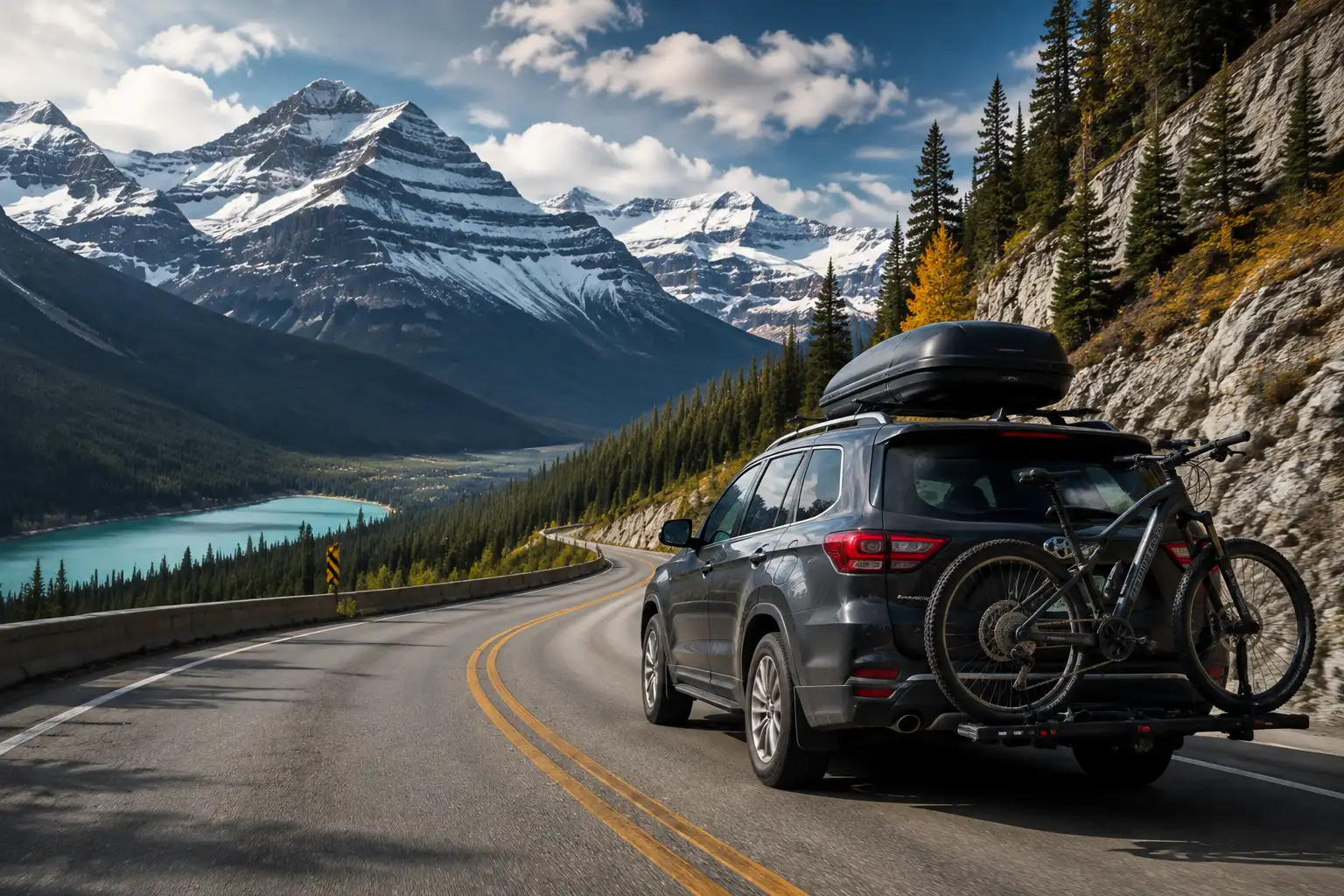
For many Calgary drivers, weekend trips to Banff, Canmore, Kananaskis, and the Rocky Mountains are a regular part of life. The scenic drives are unforgettable, but mountain roads create very different challenges for your vehicle compared to everyday city driving.
Steep climbs, long downhill sections, changing weather conditions, and heavier loads can put additional stress on important vehicle systems. Even a vehicle that performs perfectly around Calgary may experience extra strain during mountain driving.
Understanding how mountain conditions affect your vehicle can help you avoid unexpected breakdowns and keep your car, truck, or SUV performing safely.
Why Mountain Driving Is Harder on Your Vehicle
Driving through mountainous areas requires your vehicle to work harder because of constant changes in elevation and road conditions.
Compared to flat city driving, mountain driving often involves:
- Steeper inclines
- Longer downhill descents
- Frequent braking
- Higher engine workload
- Increased transmission activity
- Changing weather conditions
These conditions place additional stress on several major systems, including your engine, transmission, brakes, tires, and cooling system.
How Mountain Roads Affect Your Transmission
Your transmission plays a major role when driving through mountain areas. It constantly adjusts gears to maintain power while climbing hills and control speed during descents.
Increased Gear Changes
When climbing steep roads, your vehicle may need to shift more frequently to maintain power.
This can increase:
- Transmission workload
- Operating temperature
- Fluid stress
- Internal component wear
A transmission that already has worn fluid or existing issues may show symptoms more quickly during mountain driving.
Signs of transmission stress may include:
- Delayed shifting
- Rough gear changes
- Slipping gears
- Increased RPM without acceleration
- Transmission overheating warnings
Regular transmission maintenance is especially important for drivers who frequently travel through mountainous areas.
Why Engine Performance Matters During Mountain Driving
Your engine works harder when climbing steep grades because it needs to produce more power to move your vehicle uphill.
This increased workload can affect:
- Engine temperature
- Fuel efficiency
- Cooling system performance
- Overall engine stress
A vehicle with cooling problems, old fluids, or neglected maintenance may struggle more during long mountain climbs.
Before heading into the mountains, it is important to ensure your engine is operating properly.
The Importance of Your Cooling System
Mountain driving can place significant demand on your cooling system.
When climbing steep roads, your engine generates more heat because it is working harder. Your cooling system must remove that heat to maintain proper operating temperatures.
A weak cooling system may lead to:
- Engine overheating
- Coolant leaks
- Reduced performance
- Potential engine damage
Before a mountain trip, check:
- Coolant levels
- Radiator condition
- Hoses and connections
- Cooling fans
- Signs of leaks
Preventative maintenance can help reduce the risk of overheating during long climbs.
Mountain Driving Places Extra Stress on Your Brakes
One of the biggest challenges of mountain driving is managing speed during downhill sections.
Many drivers rely heavily on their brakes while descending, which can cause excessive heat buildup.
This is known as brake fade, where overheated brakes lose some of their effectiveness.
Signs your brakes may be struggling include:
- Burning smell after downhill driving
- Reduced braking power
- Soft brake pedal
- Vibration while braking
- Unusual noises
When driving downhill, it is better to use lower gears when appropriate instead of relying only on the brakes.
This allows the engine and transmission to help control speed while reducing brake stress.
How Mountain Roads Affect Your Tires
Your tires are your vehicle’s connection to the road, making them especially important during mountain driving.
Mountain conditions can include:
- Snow and ice
- Wet roads
- Sharp turns
- Loose gravel
- Changing temperatures
Tires with poor tread depth or incorrect pressure can reduce:
- Traction
- Steering control
- Braking performance
Before travelling from Calgary into mountain areas, check:
- Tire pressure
- Tire tread depth
- Tire condition
- Seasonal tire requirements
Proper tires can make a significant difference in safety and handling.
Suspension and Steering Stress on Mountain Roads
Mountain roads often include uneven surfaces, curves, and elevation changes that can put additional stress on your suspension system.
Your suspension helps maintain:
- Vehicle stability
- Tire contact with the road
- Ride comfort
- Steering control
Worn suspension components may become more noticeable during mountain driving.
Common warning signs include:
- Excessive bouncing
- Vehicle pulling during turns
- Uneven tire wear
- Clunking noises
- Poor handling
A suspension inspection before frequent mountain trips can help identify problems early.
Calgary Drivers Should Prepare for Changing Weather
One of the biggest challenges of mountain driving near Calgary is unpredictable weather.
Conditions can change quickly when travelling toward higher elevations.
A sunny day in Calgary can turn into:
- Snowfall
- Ice-covered roads
- Reduced visibility
- Strong winds
- Lower temperatures
Before a mountain trip, drivers should prepare by checking:
- Weather conditions
- Road conditions
- Tire readiness
- Emergency supplies
Being prepared helps reduce the risk of unexpected situations.
Vehicle Maintenance Before a Mountain Trip
A quick inspection before travelling into the mountains can help prevent problems.
Important areas to check include:
Engine Oil
Proper engine lubrication is essential when your vehicle is working harder during climbs.
Transmission Fluid
Healthy transmission fluid helps maintain smooth shifting and temperature control.
Brakes
Brakes should be inspected to ensure they can handle long descents safely.
Tires
Proper inflation and tread depth improve traction and control.
Battery
Cold mountain temperatures can place additional strain on your battery.
Cooling System
A properly functioning cooling system helps prevent overheating.
Driving Tips to Reduce Vehicle Stress in the Mountains
Small driving habits can make a big difference.
Avoid Aggressive Acceleration
Hard acceleration on steep climbs increases stress on your engine and transmission.
Use Lower Gears When Needed
Lower gears can help control speed and reduce brake usage during descents.
Avoid Overloading Your Vehicle
Extra weight increases stress on the engine, transmission, brakes, and suspension.
Allow Your Vehicle to Cool After Heavy Driving
After long climbs or demanding drives, allowing your vehicle to cool can help protect important components.
When Should You Have Your Vehicle Inspected?
If you frequently travel to mountain areas from Calgary, regular inspections are a smart preventative measure.
Have your vehicle checked if you notice:
- Transmission shifting changes
- Engine temperature increases
- Brake performance issues
- New noises or vibrations
- Reduced power during climbs
- Warning lights
Addressing these issues early can prevent more expensive repairs later.
Keep Your Vehicle Ready for Calgary Mountain Adventures
Mountain driving offers some of the best experiences Alberta has to offer, but it also places additional demands on your vehicle.
Your transmission, engine, brakes, tires, and suspension all work harder when navigating steep roads and changing conditions.
With proper maintenance and regular inspections, you can enjoy trips to the mountains with greater confidence and reduce the risk of unexpected vehicle problems.
At Heritage Auto Pro, we help Calgary drivers keep their vehicles reliable through all types of driving conditions. Whether you need a vehicle inspection, brake service, transmission maintenance, or general repairs, our team can help keep your vehicle prepared for the road ahead.
Schedule your vehicle inspection with Heritage Auto Pro before your next mountain adventure and drive with confidence.