



How Long Should You Warm Up Your Car in a Calgary Winter?
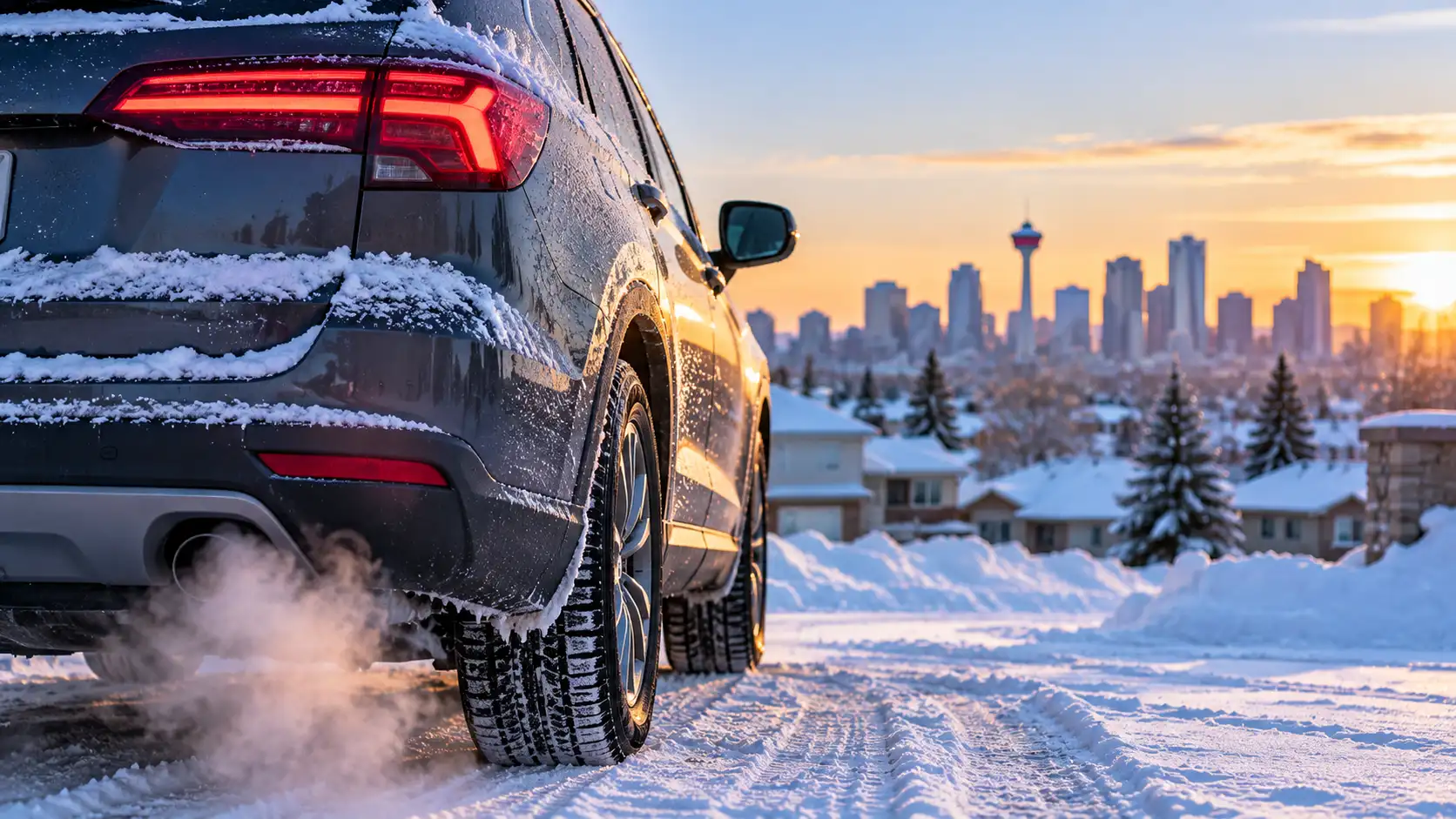
On a freezing Calgary morning, letting your car run for 10 or 15 minutes can feel like a necessary part of getting ready. But does your engine actually need that much time?
Most modern gasoline vehicles only need a brief warm-up—usually around 30 to 60 seconds—before gentle driving, provided the windows are clear and the vehicle is running normally. Natural Resources Canada advises that, in most cases, no more than 60 seconds of idling is needed after a winter cold start. Always follow your owner’s manual, especially during extreme cold.
The important thing is to give your vehicle a sensible start and make sure you can see clearly before moving.
Why Most Cars Do Not Need a Long Warm-Up
Older vehicles with carburetors often needed more warm-up time to run smoothly. Modern fuel-injected engines automatically adjust fuel delivery as conditions change.
For these vehicles, sitting in the driveway until the engine reaches its normal operating temperature is usually unnecessary. After a brief pause, gentle driving helps the vehicle warm up while you travel.
A warm cabin is comfortable, but cabin temperature alone does not tell you whether the engine is ready for light driving.
Clear Windows Matter More Than the Clock
The usual warm-up guidance does not mean you should drive away with an icy windshield after one minute.
Before moving, make sure you have clear visibility through the windshield, side windows and rear window. Clear your mirrors, lights and loose snow from the vehicle as well.
Use an ice scraper and snow brush alongside the defroster. Do not rely on clearing a small viewing hole in the windshield.
If the windows need more time to clear, wait. Safe visibility takes priority over a fixed warm-up time.
What About Extremely Cold Calgary Mornings?
During a deep freeze, your vehicle may need additional preparation. Oil flows less easily in the cold, the battery has less available starting power, and frost can take longer to clear.
There is no single warm-up time that fits every vehicle at every temperature. Follow the cold-weather instructions in your owner’s manual, including any guidance for extreme temperatures.
If your car starts roughly, repeatedly stalls or displays a warning that stays on, do not assume it simply needs another 10 minutes of idling. These symptoms may need attention.
For clicking, slow cranking or repeated no-start problems, our battery, alternator and starter guide explains what different symptoms can mean.
How to Warm Up Your Car Properly
A simple routine can help you get moving without unnecessary idling.
1. Check the Vehicle Before Starting
Clear snow away from the exhaust outlet and check that your wipers are not frozen to the glass. If a block heater is plugged in, disconnect it before driving.
2. Start the Engine Normally
Follow the starting procedure in your owner’s manual. Avoid pressing the accelerator or revving the engine to make it warm up faster.
3. Allow a Brief Pause
Give the engine a short time to settle while you buckle up and check your surroundings. For most modern gasoline cars, this is generally around 30 to 60 seconds in ordinary winter conditions.
4. Make Sure You Can See Clearly
Remove ice and snow, and use the defroster until visibility is clear. Do not move if the windows are still fogging or freezing over.
5. Drive Gently While the Vehicle Warms
Accelerate smoothly and avoid high engine speeds, hard acceleration or heavy loads while the engine is cold. Adjust your speed to the road conditions and leave extra stopping distance.
Does a Block Heater Help?
Yes. A block heater warms the engine before starting, making it easier to turn over in cold weather. This can reduce the strain of a cold start.
If your vehicle has one, follow the manufacturer’s instructions for when and how long to plug it in. Use a suitable outdoor-rated cord and check it for damage.
A block heater does not charge your battery or guarantee a warm cabin. It also cannot repair a weak battery or an existing starting fault.
If you are unsure whether your vehicle is ready for colder temperatures, explore our winter car service package and discuss the checks your vehicle needs.
Is Letting Your Car Idle for 15 Minutes Helpful?
For most modern gasoline vehicles, routine 15-minute warm-ups are unnecessary for the engine.
Extended idling uses fuel while the vehicle remains parked and adds exhaust emissions. It also does not warm every moving component the way gentle driving does.
Remote starters can help with comfort and defrosting, but avoid repeatedly restarting a warm-up cycle simply to make the cabin hotter.
Never warm up a vehicle inside a garage, even with the garage door open. Exhaust can allow dangerous carbon monoxide to accumulate.
What If Your Car Takes Too Long to Produce Heat?
Cabin heat may take longer to arrive in very cold weather, especially during short trips. However, a noticeable change from your vehicle’s usual behaviour can indicate a problem.
Arrange an inspection if:
- The heater stays cold after the vehicle has been driven and warmed up.
- The engine takes unusually long to reach its normal temperature.
- The windows remain difficult to defrost.
- You notice coolant leaking or a temperature warning.
Possible causes include low coolant, a thermostat problem or a heating-system fault. More idling may not solve the issue.
Keeping up with scheduled car maintenance gives you an opportunity to discuss these changes before they become bigger problems.
Frequently Asked Questions
Should I wait until the temperature gauge reaches normal before driving?
Usually, no. Most modern gasoline vehicles can be driven gently after a brief warm-up, once visibility is clear and the vehicle is operating normally. Follow any specific instructions in your owner’s manual.
Should I rev the engine to warm it up faster?
No. Avoid revving a cold engine. Allow a brief settling period, then accelerate gently when it is safe to drive.
Do diesel vehicles need the same warm-up routine?
Not necessarily. Diesel vehicles can have specific starting, glow-plug and extreme-cold procedures. Follow the instructions for your engine instead of applying a general gasoline-car rule.
Do electric vehicles need to warm up?
Electric vehicles do not need an engine idle period. They may benefit from cabin and battery preconditioning, preferably while plugged in, according to the manufacturer’s guidance. Clear windows are still essential before driving.
Prepare Your Car for Calgary Winter Driving
A brief warm-up, clear windows and gentle driving are a practical routine for most modern gasoline vehicles. If your car needs repeated starting attempts, runs poorly or struggles to defrost, have the cause checked.
Heritage AutoPro helps Calgary drivers with winter maintenance, diagnostics and repairs. Contact our team or call 403-253-1210 to arrange an appointment.