



How Calgary Winters Affect Your Vehicle’s Transmission and Engine Performance
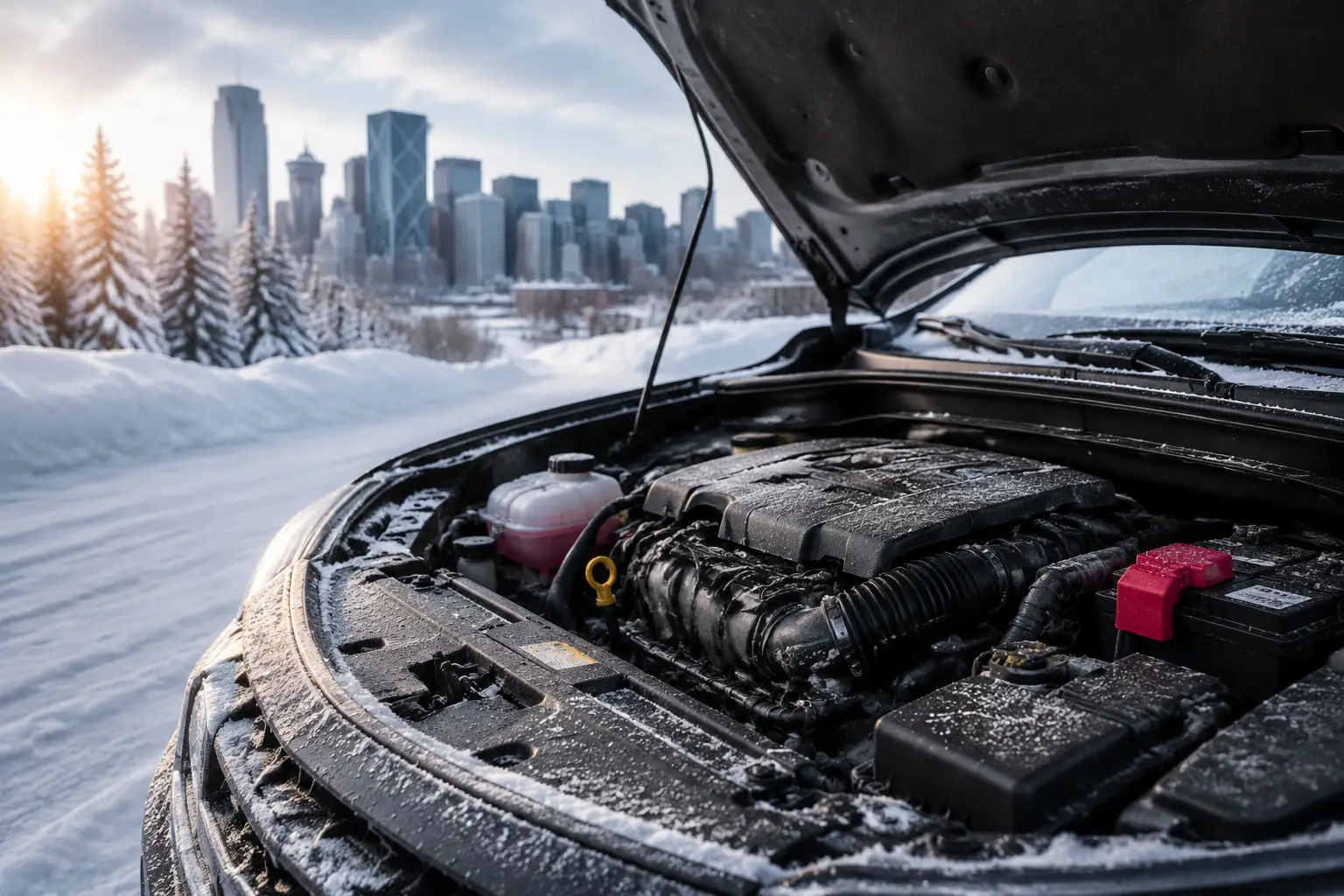
Calgary winters can be challenging for both drivers and their vehicles. Freezing temperatures, snow-covered roads, and extended periods of cold weather can put extra stress on important vehicle components — especially the engine and transmission.
Many drivers notice that their vehicle feels different during the colder months. The engine may take longer to start, the transmission may shift differently, and overall performance may not feel as smooth as it does during warmer weather.
Understanding how winter conditions affect your vehicle can help you prevent unexpected breakdowns, avoid costly repairs, and keep your car, truck, or SUV running reliably throughout the season.
Why Cold Weather Affects Your Vehicle
Your vehicle is designed to operate in a wide range of temperatures, but extreme cold creates additional challenges. When temperatures drop, several fluids and mechanical components are affected.
Cold weather can cause:
- Fluids to become thicker
- Battery performance to decrease
- Engine components to require more effort during startup
- Transmission response to change
- Increased wear during short trips
In Calgary, where winter temperatures can regularly drop below freezing, proper maintenance becomes even more important.
How Calgary Winters Affect Your Transmission
The transmission is one of the hardest-working systems in your vehicle. It manages power delivery from the engine to the wheels and relies on transmission fluid to operate smoothly.
During cold weather, transmission fluid becomes thicker, which can temporarily affect how quickly and smoothly the transmission shifts.
1. Slower Gear Changes During Cold Starts
When your vehicle has been sitting overnight in freezing temperatures, the transmission fluid may not flow as easily.
You may notice:
- Delayed shifting
- Rough gear changes
- Hesitation when accelerating
- Higher engine RPM before shifting
This is often more noticeable during the first few minutes of driving. Allowing your vehicle to warm up and driving gently until operating temperatures are reached can reduce unnecessary stress.
2. Increased Transmission Wear
Cold transmission fluid does not provide the same immediate lubrication as warm fluid. Until the fluid reaches normal operating temperature, internal components may experience additional friction.
Over time, repeated cold starts without proper maintenance can contribute to:
- Increased component wear
- Poor shifting performance
- Reduced transmission lifespan
Regular transmission inspections can help identify problems before they become major repairs.
How Winter Affects Engine Performance
Your engine also works harder during Calgary winters.
Cold temperatures affect several areas of engine operation, including starting, fuel efficiency, and overall performance.
1. Longer Engine Warm-Up Times
Engines require more time to reach their ideal operating temperature during winter.
A cold engine may:
- Run less efficiently
- Use more fuel
- Produce less immediate power
- Experience increased wear
While modern vehicles do not require long warm-up periods like older vehicles, allowing your engine a short period to stabilize before heavy driving can be beneficial.
2. Increased Strain on the Battery and Starter
Cold temperatures reduce battery efficiency, making it harder for the engine to start.
A weak battery that works during warmer months may struggle when temperatures drop significantly.
Signs of battery-related winter problems include:
- Slow engine cranking
- Clicking sounds when starting
- Dim headlights
- Intermittent starting issues
Having your battery and charging system inspected before winter can help prevent inconvenient breakdowns.
3. Reduced Fuel Efficiency
Many Calgary drivers notice lower fuel economy during winter.
This can happen because:
- Engines take longer to warm up
- Winter fuel blends have different characteristics
- Idling time increases
- Cold air affects vehicle operation
- Tire pressure decreases
While some decrease in fuel efficiency is normal, a significant drop may indicate another issue requiring inspection.
Does Winter Driving Require More Vehicle Maintenance?
Yes. Vehicles operating in Calgary’s winter conditions often benefit from more frequent checks and preventative maintenance.
Important areas to monitor include:
Transmission Fluid
Healthy transmission fluid helps ensure smooth shifting and proper lubrication.
A transmission service may be recommended if you notice:
- Rough shifting
- Delayed engagement
- Unusual transmission noises
- Burning smells
Engine Oil
Engine oil also becomes thicker in cold temperatures. Using the correct oil type recommended for your vehicle helps ensure proper lubrication during cold starts.
Cooling System
Although winter is cold, your cooling system still plays an important role. Coolant protects against freezing and helps regulate engine temperature.
A cooling system inspection can help identify:
- Low coolant levels
- Leaks
- Weak hoses
- Cooling system issues
Tires and Tire Pressure
Cold temperatures naturally reduce tire pressure. Proper tire inflation improves:
- Handling
- Fuel efficiency
- Tire lifespan
- Winter safety
Calgary Driving Conditions Add More Stress
Winter conditions in Calgary create additional challenges beyond cold temperatures.
Drivers often deal with:
- Snow and ice-covered roads
- Stop-and-go traffic
- Increased idling
- Road salt and moisture
- Shorter driving distances
Short trips can be especially hard on vehicles because the engine and transmission may not have enough time to reach normal operating temperatures.
If most of your driving involves short trips around Calgary, regular maintenance becomes even more important.
Signs Your Vehicle May Need Winter Maintenance
Do not ignore changes in how your vehicle performs during colder months.
Schedule an inspection if you notice:
Transmission Warning Signs
- Hard or delayed shifting
- Transmission slipping
- Strange noises
- Vehicle hesitation
- Difficulty engaging gears
Engine Warning Signs
- Slow starting
- Rough idling
- Check engine light
- Reduced power
- Unusual noises
Addressing these problems early can prevent more expensive repairs later.
How to Prepare Your Vehicle for Calgary Winter Driving
A few simple maintenance steps can help your vehicle handle winter conditions more effectively:
Check Your Battery
Have your battery tested before temperatures drop. A strong battery is essential for reliable winter starts.
Inspect Your Fluids
Check engine oil, transmission fluid, coolant, brake fluid, and windshield washer fluid levels.
Maintain Proper Tire Pressure
Check tire pressure regularly throughout winter because cold temperatures can cause pressure drops.
Follow Your Maintenance Schedule
Regular service helps identify small issues before they turn into major problems.
Keep Your Vehicle Ready for Calgary Winters
Calgary winters are tough on vehicles, but proper maintenance can make a significant difference. Your transmission, engine, battery, and other important systems all work harder when temperatures drop.
Regular inspections and preventative maintenance help improve reliability, reduce unexpected repairs, and keep your vehicle performing smoothly throughout the winter season.
At Heritage Auto Pro, our team helps Calgary drivers maintain their vehicles through every season. Whether you need transmission service, engine maintenance, or a complete vehicle inspection, professional care can help ensure your vehicle is ready for whatever winter brings.
Schedule your vehicle service with Heritage Auto Pro and keep your car running confidently through Calgary’s toughest winter conditions.