



Can a Pothole Damage Your Tires and Suspension?
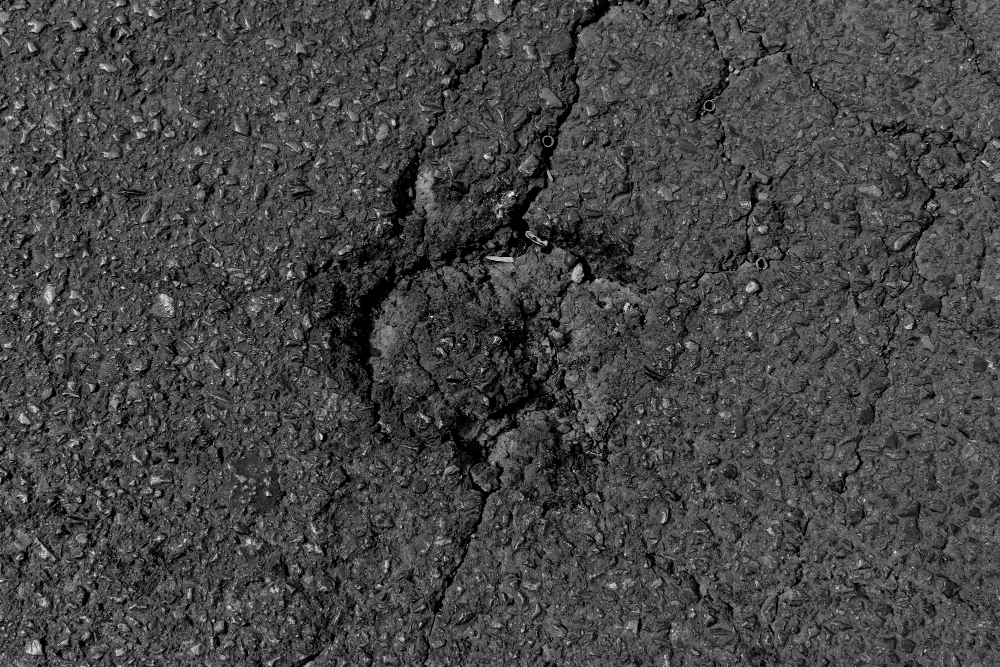
Yes, hitting a pothole can damage your tires, wheels, steering and suspension. The severity depends on the pothole’s depth, your driving speed, tire pressure and the angle of impact.
Some damage is immediately noticeable, such as a flat tire or bent wheel. Other problems, including poor alignment or worn suspension components, may appear gradually after the impact.
Quick Answer
A pothole can cause:
- Tire punctures or sidewall bulges
- Bent or cracked wheels
- Wheel misalignment
- Damaged shocks or struts
- Broken springs
- Bent steering components
- Uneven tire wear
Have your vehicle inspected if it begins pulling to one side, vibrating, making unusual noises or handling differently after hitting a pothole.
How Do Potholes Damage a Vehicle?
When a tire drops into a pothole, it is compressed between the road and the wheel. A strong impact can damage the tire internally, bend the rim or transfer force into the suspension system.
Damage is more likely when:
- You hit the pothole at high speed
- The pothole is deep or has sharp edges
- Your tires are underinflated
- Your tires have low-profile sidewalls
- The vehicle is heavily loaded
- You brake sharply while hitting it
Even when the tire does not go flat, the impact may still affect the wheel alignment or suspension.
Signs of Tire Damage After Hitting a Pothole
Sidewall Bulge
A bubble or bulge on the tire sidewall usually means the internal cords have been damaged.
A bulging tire is unsafe and cannot normally be repaired. It should be replaced because the weakened area may fail without warning.
Tire Pressure Loss
A pothole can puncture the tire or damage the seal between the tire and wheel.
Check the tire pressure if the warning light appears or the tire looks lower than normal. A slow leak may become more noticeable over several hours or days.
Cuts or Cracks
Inspect the tire for visible cuts, cracks or exposed internal material. Damage near the sidewall is more serious because this area flexes while driving.
Uneven Tire Wear
A pothole impact can alter the wheel alignment, causing one edge of the tire to wear faster than the other.
Uneven wear may not appear immediately, but it can shorten tire life if the alignment problem is not corrected.
Can a Pothole Bend or Crack a Wheel?
Yes. Steel wheels may bend, while alloy wheels can bend or crack after a hard impact.
Common signs of wheel damage include:
- Steering wheel vibration
- Air leaking from the tire
- Visible dents along the rim
- A wobbling sensation while driving
- Repeated tire-pressure loss
A damaged wheel should be inspected before continuing to drive at higher speeds.
Signs of Suspension Damage
Vehicle Pulling to One Side
If the vehicle begins drifting left or right, the wheels may be out of alignment or a suspension component may be bent.
Steering Wheel Is Off-Centre
The steering wheel should remain centred when travelling straight. An off-centre position after hitting a pothole may indicate an alignment issue.
Clunking or Rattling Noises
Suspension damage can cause clunking, knocking or rattling sounds when driving over bumps or turning.
Possible sources include damaged control arms, ball joints, sway-bar links, shocks or struts.
Excessive Bouncing
A damaged shock or strut may cause the vehicle to bounce repeatedly after going over a bump.
Poor suspension control can reduce braking stability and make the vehicle more difficult to handle.
Uneven Vehicle Height
A broken or damaged spring may cause one corner of the vehicle to sit lower than the others.
This requires prompt inspection because the spring supports the vehicle’s weight and helps maintain proper tire contact.
Can You Keep Driving After Hitting a Pothole?
You may continue driving carefully if the vehicle feels normal and there is no visible tire or wheel damage. However, pull over safely and inspect the tires when possible.
Stop driving if:
- The tire is flat
- A sidewall bulge appears
- The wheel is visibly damaged
- The steering becomes difficult
- The vehicle pulls strongly
- You hear loud grinding or clunking
- The tire is rubbing against the vehicle
- The vehicle feels unstable
When the damage appears serious, towing is safer than continuing to drive.
What Should You Check After Hitting a Pothole?
After a significant impact:
- Check each tire for cuts, bulges and pressure loss.
- Inspect the wheel for bends or cracks.
- Notice whether the steering wheel remains centred.
- Listen for new clunking or rattling sounds.
- Watch for vibration at higher speeds.
- Check whether the vehicle pulls to one side.
- Schedule an inspection if anything feels different.
Some suspension and alignment problems are difficult to see without lifting the vehicle.
Does Pothole Damage Require a Wheel Alignment?
Not every pothole impact requires an alignment, but an alignment check is recommended when the vehicle pulls, the steering wheel becomes off-centre or the tires begin wearing unevenly.
An alignment adjusts the wheel angles so the tires contact the road correctly. It does not repair bent or broken suspension components, which must be corrected first.
How Can You Reduce Pothole Damage?
You cannot always avoid potholes, but you can reduce the risk by:
- Maintaining the correct tire pressure
- Leaving enough space to see the road ahead
- Reducing speed before reaching damaged pavement
- Avoiding sharp braking directly over the pothole
- Holding the steering wheel firmly
- Replacing worn tires
- Having worn suspension components repaired
Do not swerve suddenly into another lane unless you have confirmed it is safe.
Pothole Damage Inspection in Calgary
Heritage Auto Pro provides tire and suspension inspections in Calgary near Chinook Mall.
Our technicians can check your tires, wheels, alignment, shocks, struts and steering components after a pothole impact. Early inspection can help prevent uneven tire wear, unstable handling and more expensive suspension repairs.
Book an inspection if your vehicle begins vibrating, pulling, making unusual noises or handling differently.
Frequently Asked Questions
Can one pothole knock a car out of alignment?
Yes. A strong impact can alter the wheel alignment, especially when the pothole is deep or struck at higher speed.
Can a pothole cause a tire bulge?
Yes. The impact can damage the tire’s internal cords and create a sidewall bulge. A bulging tire should normally be replaced.
Is pothole suspension damage always obvious?
No. Minor bending, alignment changes and early wear may not be immediately visible. Symptoms can develop over time.
Why does my steering wheel shake after hitting a pothole?
The vibration may be caused by a damaged tire, bent wheel, lost wheel balance or suspension problem.
Can pothole damage cause uneven tire wear?
Yes. Misalignment or bent suspension parts can cause the tire tread to wear unevenly.