
Heritage AutoPro and Tire
Tire Season is Here - Find the Perfect Fit!
Shop Tires Now
Heritage AutoPro and Tire
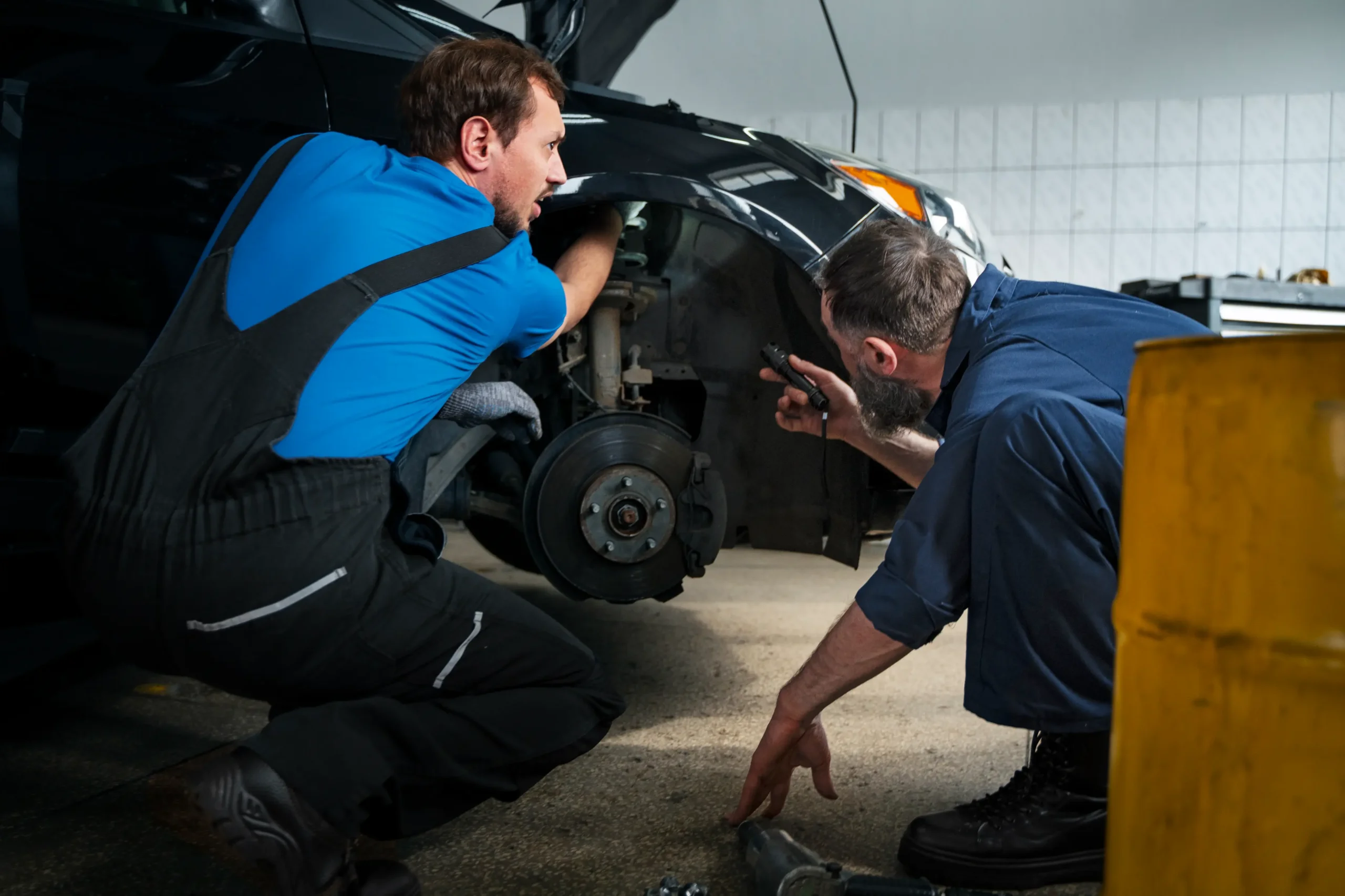
Your braking system is one of the most important safety features in your vehicle. It helps you slow down, stop safely, and stay in control during sudden situations. Over time, brake components wear down, and your car often gives warning signs before a serious problem happens.
Ignoring these signs can lead to unsafe driving conditions and more expensive repairs. Here are 10 ways your car may be telling you it needs brake service.
A high-pitched squeal when braking is one of the most common signs of worn brake pads. Many pads are designed with wear indicators that create noise when it’s time for replacement.
Grinding sounds usually mean the brake pads are fully worn, and metal parts may be contacting the rotor. This can quickly damage rotors and increase repair costs.
If your brake pedal feels softer than usual or sinks toward the floor, there may be air in the brake lines, low fluid, or a hydraulic issue that needs immediate attention.
A shaking steering wheel during braking often points to warped brake rotors. Uneven rotor surfaces can affect stopping performance and comfort.
If your vehicle pulls left or right while braking, it may be caused by uneven brake pad wear, a sticking caliper, or brake fluid imbalance.
If your car takes longer to stop than normal, your braking system may not be working efficiently. This is a serious safety concern, especially in traffic or poor weather.
Modern vehicles have dashboard brake warning lights that alert you to issues such as low brake fluid, worn pads, or system faults. Never ignore this warning.
A sharp burning odor near the wheels after braking may indicate overheated brakes or a stuck caliper. Continuing to drive could cause further damage.
If the pedal pulses under your foot while stopping, it often means rotor problems or uneven brake surfaces. This should be inspected soon.
If you notice thin brake pads through the wheel or low brake fluid in the reservoir, it’s a clear sign your system needs attention.
Getting brake issues checked early can help:
Brake inspections are recommended at least once a year or every 20,000 km, depending on driving habits and road conditions. City driving and stop-and-go traffic may cause faster wear.
Can I drive with squeaky brakes? You may be able to, but it’s best to get them inspected soon before the problem gets worse.
How long do brake pads last? Most brake pads last between 30,000 and 70,000 km depending on usage and driving style.
Is a soft brake pedal dangerous? Yes. It may indicate a loss of braking pressure and should be checked immediately.
Do brakes wear faster in winter? They can, especially with moisture, road salt, and frequent stop-and-go driving.