
Heritage AutoPro and Tire
Tire Season is Here - Find the Perfect Fit!
Shop Tires Now
Heritage AutoPro and Tire
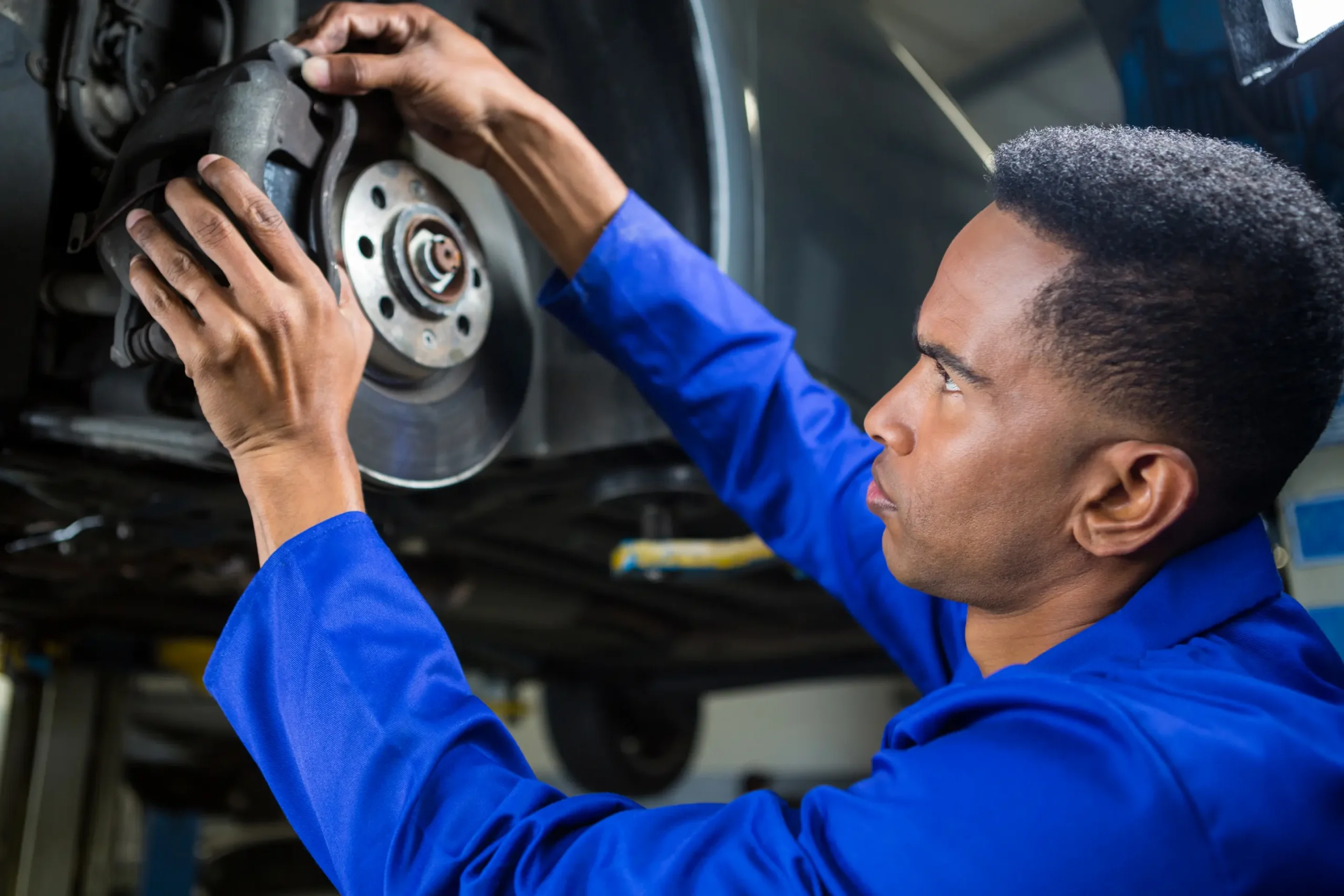
Your brakes help you stop quickly, stay in control, and avoid accidents. But many drivers ignore early warning signs until brake problems become serious and expensive.
If your car is making strange noises, shaking when stopping, or taking longer to slow down, it may be time to take a brake and get your system checked.
Every time you drive, your brake pads, rotors, and other components wear down little by little.
Regular inspections help catch small issues before they turn into major repairs.
Well-maintained brakes can help with:
A high-pitched squeal often means your brake pads are worn and need replacing. Grinding noises can mean metal-on-metal contact, which may damage the rotors.
If your steering wheel shakes or the brake pedal vibrates when braking, your rotors may be warped or uneven.
If the pedal feels soft or goes lower than normal, there may be air in the brake lines or a fluid issue.
When braking causes your car to pull left or right, it may indicate uneven brake wear, a stuck caliper, or suspension concerns.
If your vehicle takes longer to stop than usual, don’t ignore it. This can be dangerous, especially in wet or icy conditions.
Most experts recommend a brake inspection at least once a year or every 20,000 km, depending on your driving habits. If you drive often in city traffic or harsh winter conditions, your brakes may wear faster.
A professional brake check usually includes:
You may still be able to drive for a short time, but it is not recommended. Worn brakes reduce stopping power and increase the risk of accidents. Delaying repairs can also damage other parts, leading to higher costs.
Replacing brake pads early is much cheaper than waiting until rotors, calipers, or other parts fail. Small maintenance today can prevent costly repairs tomorrow.
How long do brake pads last? Brake pads often last between 30,000 to 70,000 km depending on driving style, traffic, and road conditions.
Why do brakes squeak in the morning? Moisture or light surface rust can cause temporary squeaking, but repeated noise should be inspected.
Are vibrating brakes dangerous? They can be. Vibrations often mean worn or warped rotors that affect braking performance.
Can low brake fluid cause issues? Yes. Low or dirty brake fluid can reduce brake response and should be checked promptly.