
Heritage AutoPro and Tire
Tire Season is Here - Find the Perfect Fit!
Shop Tires Now
Heritage AutoPro and Tire
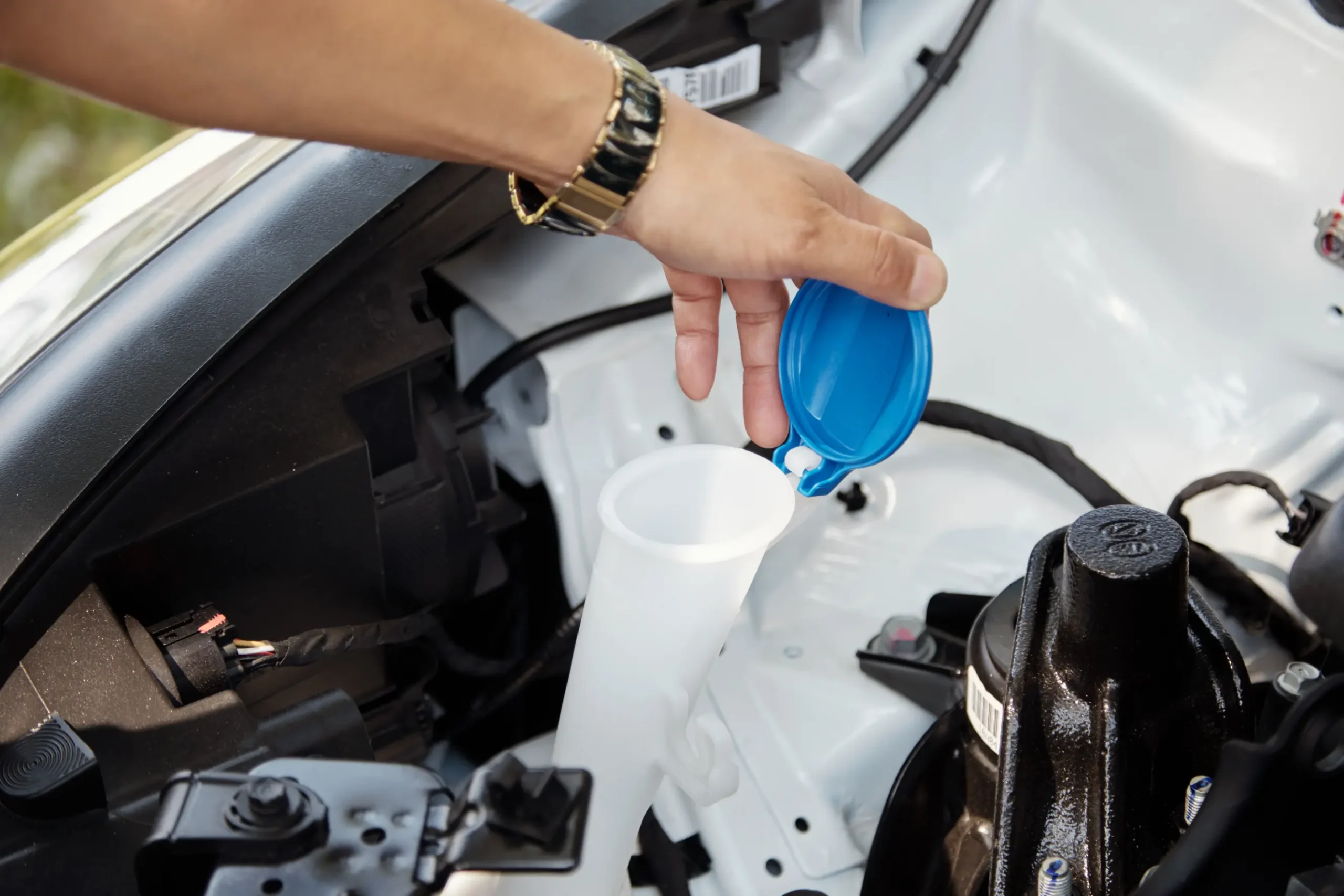
Your engine creates a lot of heat while running, and your cooling system is designed to keep temperatures under control. Coolant flows through the radiator, hoses, water pump, and engine passages to prevent overheating. When there is a coolant leak, that protection is reduced, and serious engine damage can happen if the issue is ignored.
Knowing the signs of a coolant leak can help you act early, avoid breakdowns, and prevent expensive repairs.
Coolant, also called antifreeze, is a fluid that regulates engine temperature. It helps prevent overheating in summer and freezing in winter. It also protects internal engine components from corrosion.
Without the correct coolant level, your engine can run too hot and suffer damage such as blown head gaskets, warped components, or complete engine failure.
If you need to top up coolant often, there may be a leak somewhere in the system. Coolant levels should stay fairly consistent in a sealed system.
If the temperature gauge rises higher than normal or your vehicle overheats, low coolant may be the cause.
Coolant often has a sweet smell. If you notice this odor after driving or while parked, leaking coolant could be present.
A green, orange, pink, or blue fluid under your car may be coolant, depending on the type used in your vehicle.
Steam coming from under the hood may mean coolant is leaking onto hot engine parts or the engine is overheating.
Your cabin heater uses engine coolant. If heat output becomes weak or inconsistent, low coolant may be affecting performance.
Several components can fail over time and lead to coolant loss, including:
Driving with a coolant leak can lead to overheating and major engine damage. A small hose leak may be inexpensive to repair, but ignoring it can result in much larger repair bills later.
Prompt coolant leak repair helps:
A technician may inspect the cooling system and perform tests such as:
It is not recommended. Even a slow leak can suddenly worsen. If your engine temperature rises or warning lights appear, stop driving as soon as it is safe.
Is coolant the same as water? No. Coolant contains additives that help regulate temperature and prevent corrosion. Water alone is not a proper long-term replacement.
How much does coolant leak repair cost? Costs depend on the cause. A hose repair is usually less expensive than radiator, water pump, or head gasket repairs.
Can coolant leaks come and go? Yes. Some leaks only appear when the engine is hot and the system is under pressure.
How often should coolant be checked? It is a good idea to inspect coolant levels regularly and during routine maintenance visits.