
Heritage AutoPro and Tire
Tire Season is Here - Find the Perfect Fit!
Shop Tires Now
Heritage AutoPro and Tire
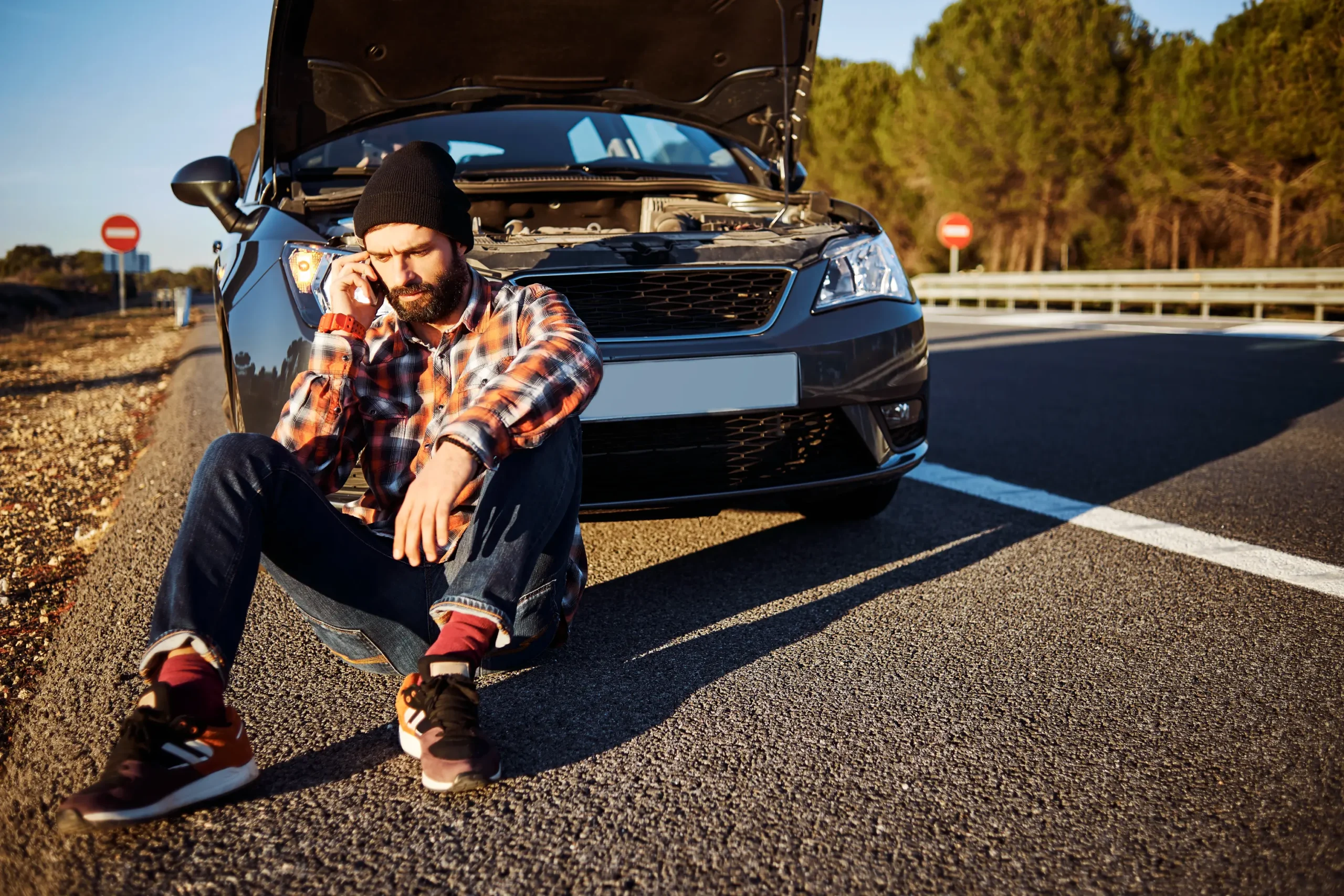
Your brakes are one of the most important safety systems in your vehicle. Every time you slow down, stop at a light, or avoid a hazard, your braking system is working hard to keep you safe. Over time, brake parts wear down and need attention.
Many drivers ignore early warning signs until the problem becomes more serious and expensive. Understanding common brake issues can help you act early, improve safety, and reduce repair costs.
When you press the brake pedal, hydraulic pressure activates brake components at each wheel. Brake pads press against rotors or drums to create friction, which slows the vehicle.
Main brake system components include:
If one part is worn or damaged, overall braking performance can be affected.
A high-pitched noise often means your brake pads are wearing thin. Many brake pads include wear indicators that make sound when replacement is needed.
Grinding usually means the pads are fully worn, causing metal contact with the rotors. This can quickly damage expensive components.
If the steering wheel shakes or the brake pedal pulses, warped rotors or uneven wear may be the cause.
A soft or spongy pedal can indicate air in the brake lines, old brake fluid, or hydraulic issues.
If the vehicle moves left or right during braking, there may be uneven brake wear, a stuck caliper, or tire issues.
If your car takes longer to stop than normal, braking efficiency may be reduced and should be checked immediately.
Ignoring brake problems can lead to:
Small brake repairs today can prevent major problems later.
Depending on the issue, brake service may include:
Brake inspections are commonly recommended once a year or every 20,000 km. If you drive in heavy traffic, hilly areas, or harsh winter conditions, brakes may wear faster.
How long do brake pads last? Most brake pads last between 30,000 and 70,000 km depending on driving habits and road conditions.
Is it safe to drive with squeaky brakes? It may still be drivable, but it should be inspected soon before the issue worsens.
Why does my brake pedal feel soft? This may be caused by brake fluid problems, air in the system, or worn components.
Can weather affect brakes? Yes. Moisture, road salt, heat, and cold conditions can all affect brake performance and wear.